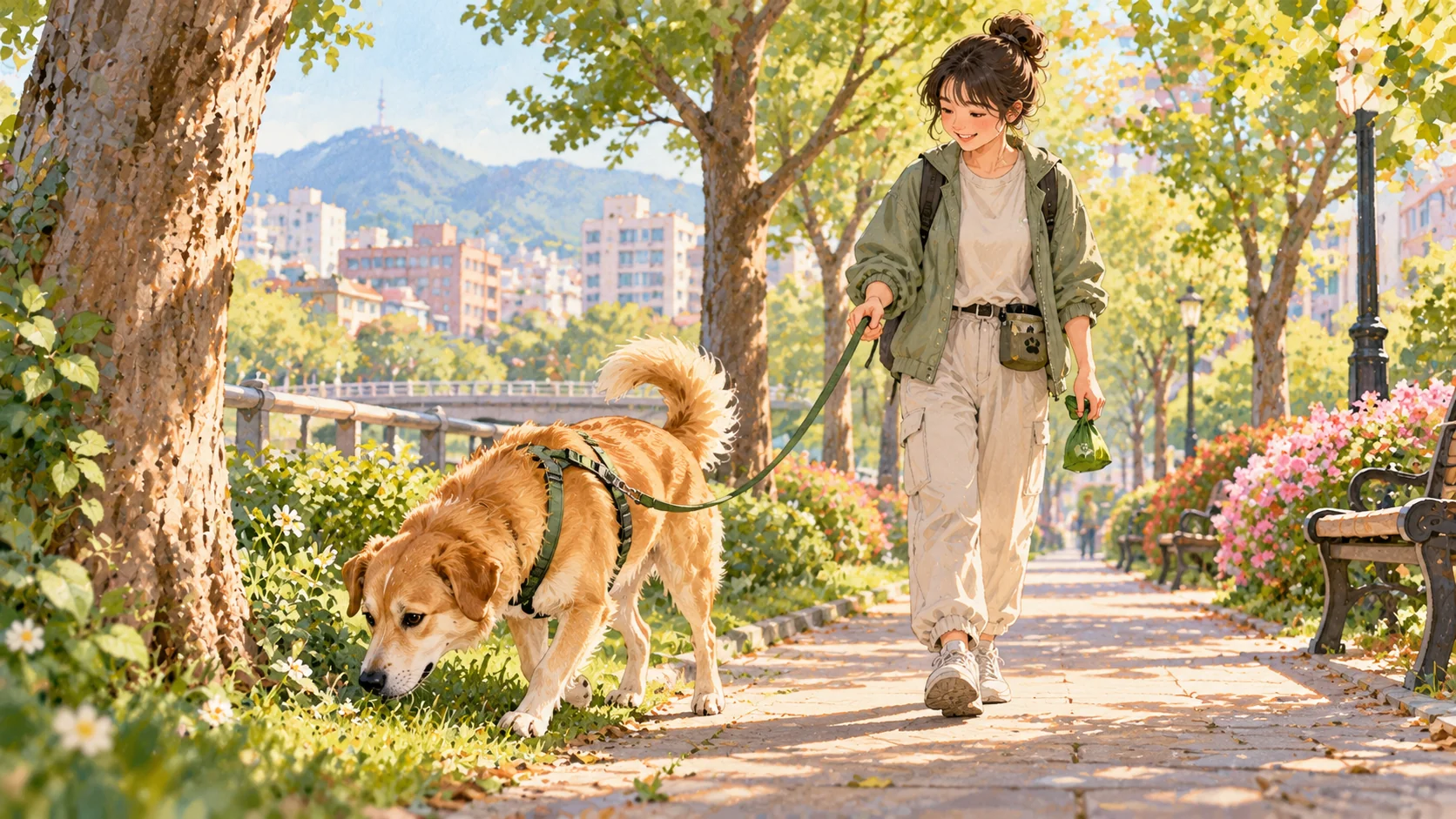
A walk can be exercise, a bathroom break, a chance to investigate the neighborhood and a small daily conversation between you and your dog. Those jobs are not identical. Some dogs need frequent, short toilet trips; others enjoy a slower sniff-filled outing. Puppies, older dogs, short-faced breeds and dogs recovering from illness may need very different plans. The aim is a routine that supports comfort and learning, rather than an arbitrary distance or number of steps.
Start with the dog's actual needs
Before choosing a schedule, consider age, health, bladder control, mobility, weather, your housing situation and how the dog responds outside. A healthy adult accustomed to outdoor toileting may manage predictable breaks, while a young puppy needs more opportunities, particularly after waking, eating and playing. A newly adopted adult may temporarily need extra trips while learning the new environment. Do not assume an accident means stubbornness: pain, urinary problems, gastrointestinal illness and anxiety can all affect elimination. If a previously reliable dog suddenly has accidents, strains to urinate, has blood in urine or seems unwell, contact a veterinarian promptly. Inability to pass urine is urgent.
Build a predictable toilet routine
Pick an accessible place with safe footing and minimal distractions. Offer a bathroom opportunity after waking, meals, active play and before bedtime; adjust the frequency to the individual dog and the veterinary advice you have received. Walk calmly to that area and allow time to sniff and choose a spot. When the dog finishes, quietly praise and give a small reward immediately, so the connection is clear. A cue such as “go potty” can be added once the behavior is happening reliably, but repeating it insistently will not make a dog urinate. Keep a simple log of meals, water intake, outings and accidents for a week; patterns are often more informative than guesswork. If nothing happens, return inside with supervision and try again later rather than waiting in a stressful standoff.
Make walking equipment comfortable and secure
A well-fitted harness or collar should not rub, restrict breathing or allow an easy escape. Use a sturdy leash and appropriate identification; retractable leashes can be hard to manage in traffic or crowded areas. Before leaving, check that gates and doors are secure. For dogs that pull, begin in a quiet space and reward a loose leash and voluntary check-ins. Stop or change direction before tension becomes a tug-of-war; avoid jerking or leash corrections. Some dogs become frightened by street noise, vehicles or unfamiliar people. Give them distance and a calmer route rather than forcing exposure. Carry waste bags and water appropriate to the weather and length of the outing. If your dog becomes unusually slow, coughs, limps or seems overheated, shorten the walk and seek advice when needed.
Let sniffing count as enrichment
A satisfying walk is not necessarily a fast walk. Dogs collect information by scent, and a safe stretch of relaxed sniffing can be mentally engaging even when the distance is short. Mix purposeful travel with opportunities to explore. A quiet residential loop may be better for a sensitive dog than a busy park full of greetings. Avoid insisting that your dog interact with strangers or other dogs; a polite walk can simply mean passing at a comfortable distance. When encountering another animal, observe your dog's whole body: freezing, leaning away, frantic pulling, tucked tail or repeated lip licking can signal that more space is needed. Reward calm choices, turn away early and use routes with escape options. Not every dog enjoys dog parks, and no dog needs them to have a good life.
Teach toileting without punishment
Accidents are information about the routine, not evidence of spite. If you catch an accident beginning, calmly interrupt only if it is safe and guide the dog outside; reward if they finish in the desired area. If you find a puddle later, clean it with a pet-safe enzymatic cleaner. Scolding, rubbing a nose in urine or withholding water does not teach the correct place and can increase fear or hiding. For puppies or new dogs, supervise when possible and use a comfortable, appropriately sized safe area when you cannot watch them. Extend freedom gradually after repeated successes. Avoid leaving a dog crated beyond its reasonable comfort or bathroom capacity. If indoor pads are necessary because of mobility, housing or medical needs, make the chosen toileting area consistent and hygienic rather than treating the accommodation as failure.
Adapt to heat, rain and urban living
In Taiwan, summer heat and humidity can make midday pavement and vigorous walking unsafe. Test surfaces carefully, favor cooler hours and shaded routes, and offer water and breaks. Panting that becomes extreme, weakness, collapse or disorientation is an emergency; stop activity and seek urgent veterinary help while starting safe cooling measures. In rain, some dogs resist wet ground, so a covered toileting spot and a short, calm outing can help. Dry paws and skin folds afterward and watch for irritation. In apartment buildings, practice quiet hallway and elevator manners and use secure equipment before a door opens. Pick up feces promptly, follow building rules and avoid letting dogs relieve themselves where other people need to step or sit. Do not flush litter or pet waste unless local systems explicitly allow it.
Balance activity with recovery
There is no single walking duration suitable for every dog. A young, fit adolescent may need more activity and training games than a frail senior; a dog with arthritis may benefit from several gentle outings instead of one strenuous loop. Dogs with breathing difficulties, heart conditions or recent surgery need individualized veterinary guidance. Include quiet rest and opportunities to chew, investigate scents and interact calmly at home. A dog that becomes wild after a long walk is not automatically asking for more exercise; fatigue, frustration or overstimulation can look similar to excess energy. Notice how well your dog settles, sleeps and moves later in the day. Adjust the pace and terrain rather than chasing an increasing daily mileage target. For growing puppies, avoid forced endurance work and discuss safe activity with your veterinarian.
Troubleshoot a routine that is not working
If accidents persist, check the obvious variables first: are opportunities frequent enough, is the outdoor spot too distracting, and is the dog able to reach it comfortably? If the dog toilets immediately after returning indoors, try quieter surroundings, more sniffing time and closer supervision between outings. If walks produce lunging, barking or panic, identify triggers and choose distance and low-stress practice; a qualified reward-based trainer or veterinary behavior professional can help. A dog that suddenly refuses walks, hesitates on stairs or reacts to harness handling may be in pain. Do not train through suspected pain. Take notes on timing, stools, appetite, thirst and changes in behavior before the veterinary visit. In cases of frequent urination, diarrhea, blood, straining or worsening distress, medical assessment comes before a training plan.
A flexible everyday checklist
Prepare the leash, secure harness, identification, waste bags and water before opening the door. Offer a toilet opportunity at the times your dog is most likely to need one. Reward the desired behavior immediately, not minutes afterward. Make room for sniffing without allowing access to unsafe food scraps or street hazards. Look for signs that your dog is tired, hot or uncomfortable, and end the outing before those signs escalate. Clean up after your dog and wash your hands. Keep the schedule predictable enough to provide security, yet flexible when work, rain or illness intervenes. A good routine is one your household can sustain and your dog can comfortably understand—not a contest over distance, speed or flawless obedience.
Keep Reading
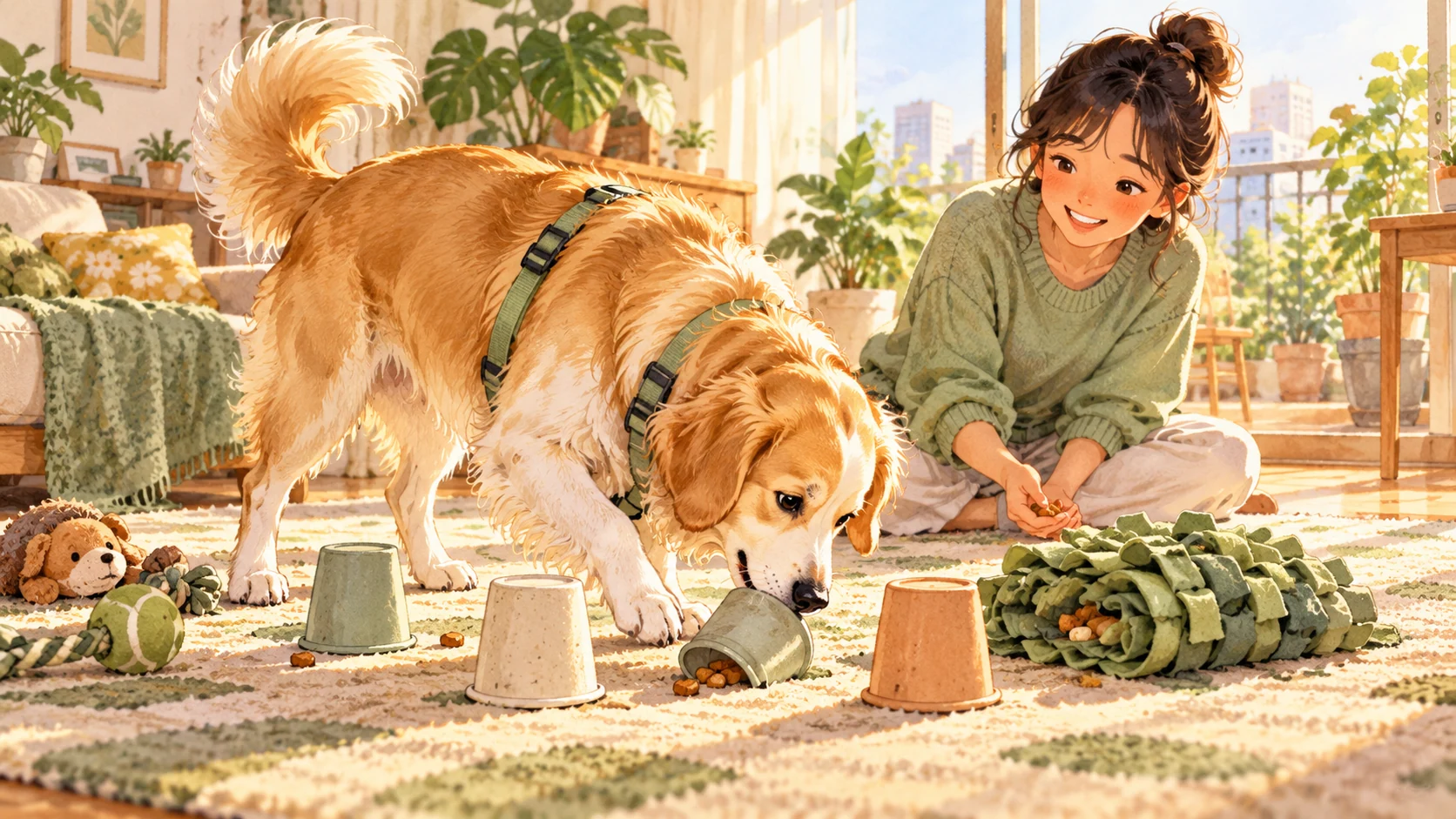
Low-cost scent games, snuffle mats, simple cup searches and relaxed sniff walks—with ways to adapt difficulty and protect safety.
Read the Full Guide →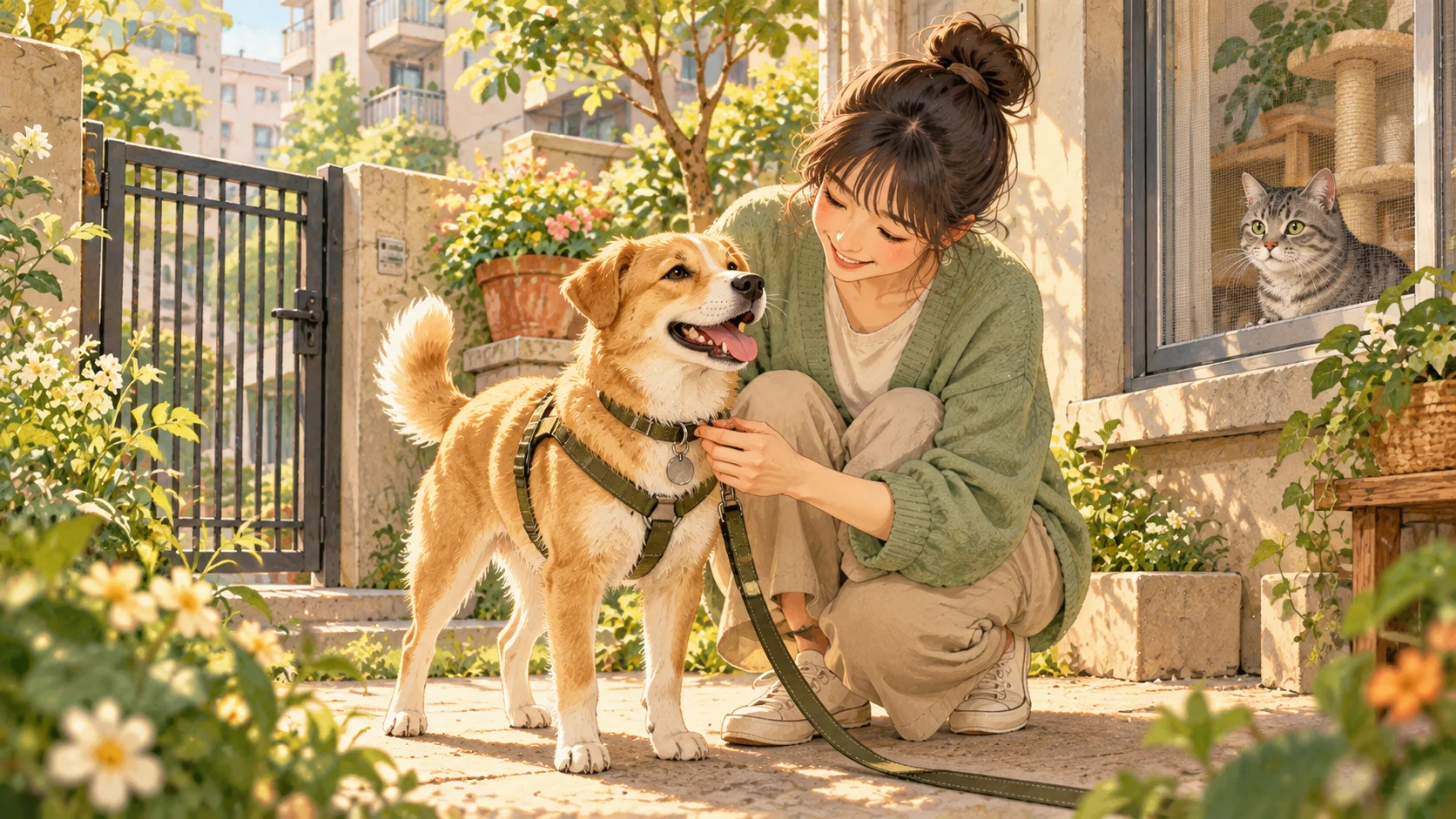
Reduce escape risks, keep identification current and prepare a calm, coordinated search plan if a dog or cat goes missing.
Read the Full Guide →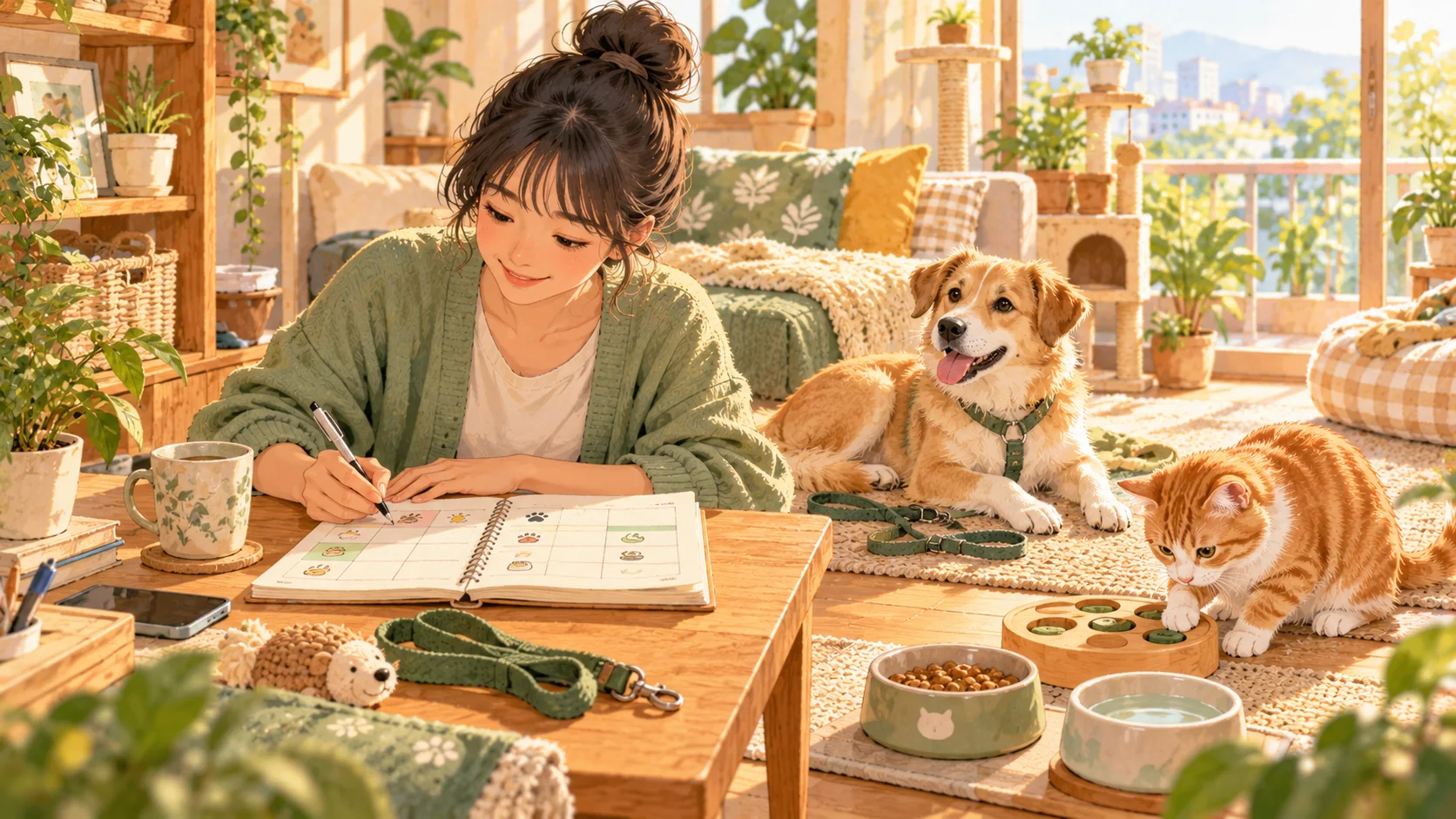
Build a flexible daily rhythm for meals, toileting, rest, play, health checks and backup care without turning life into a rigid timetable.
Read the Full Guide →