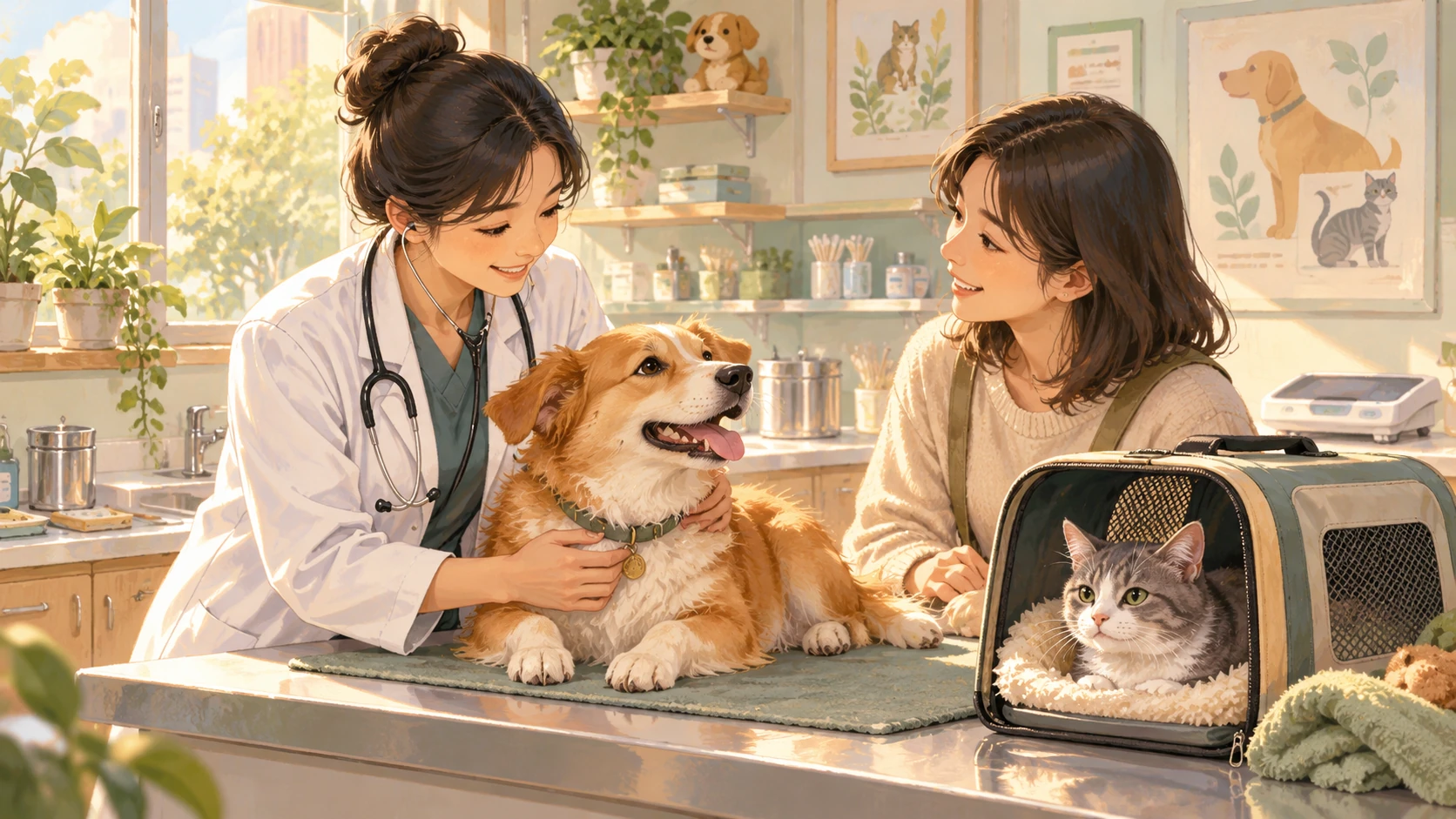
Your pet’s first veterinary appointment is more than a vaccination stop. It is a chance to establish a medical baseline, check for concerns that may not be obvious at home and build a relationship with a veterinary team you can contact as your companion grows and ages. Whether you have adopted a puppy, brought home an adult cat, or started fostering an animal with little history, a little preparation makes the visit more useful and often less stressful.
This guide covers a planned first or initial wellness visit. If your pet is seriously unwell, do not wait for a routine appointment. Breathing difficulty, collapse, seizures, severe injury, suspected poisoning, signs of urinary obstruction, or a rapidly worsening condition need prompt emergency assessment. Call ahead when possible so the clinic can prepare.
Book the right kind of appointment
When you contact a clinic, explain the species, approximate age, adoption or foster date, any known conditions, whether vaccines are documented and why you are coming. Ask whether the clinic is equipped to help a nervous or reactive animal and how to arrive with minimal stress. If your animal has a current illness, request an appropriate sick-pet appointment rather than describing it only as a general checkup. A new-pet visit can usually be arranged soon after placement, with timing guided by age, history and symptoms.
If you are fostering through a rescue, confirm which clinic to use, how bills are authorized and who gives consent for treatment. If you have multiple pets, ask whether they should come separately; a combined trip is not always the least stressful option. In Taiwan, veterinary practice hours, after-hours availability and administrative requirements vary by clinic and locality, so verify details directly.
Bring records, questions and a small snapshot of daily life
Collect adoption documents, any previous medical history, vaccine records, parasite-prevention dates, current medications and supplements, details of surgeries, allergies or previous reactions, and the name or packaging of the pet’s food. If available, note your animal’s age, reproductive status, microchip number and where the chip is registered. A photo of medication packaging can prevent confusion about names or doses.
A short written timeline helps: how much the pet eats, whether stools and urine seem normal, vomiting or coughing episodes, scratching, itching, sneezing, changes in energy, and behavior that worries you. Photos or brief videos can be useful for intermittent problems such as unusual gait or coughing, but should not delay care. Ask the clinic beforehand whether it wants a fresh stool sample or specific paperwork; samples need appropriate handling, and not every visit requires one.
Prioritize three or four questions you most want answered. You can still raise more concerns, but bringing a list makes it easier to use your time. If you are worried about fees, say so when booking and request an estimate and explanation of priorities. A collaborative plan works better than silently declining something you do not understand.
Make the trip safer and calmer
For cats, use a sturdy, secure carrier that opens easily, ideally with a removable top. Leave the carrier out at home with familiar bedding before the visit if time permits. Covering it lightly during travel can reduce stimulation for some cats, provided airflow remains good. Never carry a loose cat into a waiting room, even one that normally seems confident.
For dogs, check that the harness or collar fits and attach a reliable leash before opening the car door. Use a suitable vehicle restraint or carrier. Ask the team about quieter waiting arrangements if your dog is uncomfortable around unfamiliar people or animals. Some animals do better waiting in the car until called, but only when weather and clinic procedures make this safe—and never unattended in a vehicle that could overheat.
Practice gentle handling at home with small rewards: brief touching of paws, looking at ears or resting on a mat, always allowing breaks. This is not a reason to hold a frightened pet still until they surrender. Veterinary teams can use low-stress handling, breaks or other strategies; if fear is severe, discuss a tailored pre-visit plan with the veterinarian before attempting medication on your own.
What happens during the physical examination?
The veterinarian will usually ask about history and observe general appearance, alertness, breathing and movement. A physical exam may include weighing the pet, assessing body condition, listening to the heart and lungs, looking at eyes, ears and mouth, feeling the abdomen, inspecting skin and coat, checking joints or mobility, and discussing elimination and behavior. The exact sequence depends on the animal’s comfort and needs; not every test is required at every appointment.
A body-condition assessment helps evaluate whether a pet is underweight, overweight or at an appropriate condition for its build. Ask the team to show you what they are feeling and explain how to monitor it at home. Growth, weight, muscle condition and mobility matter especially for young, senior or chronically ill animals. Dental disease and discomfort can be easy to overlook, so a first visit is a useful time to ask what the mouth examination shows.
If your pet is frightened, tell the team what you have observed and ask whether procedures can be paced differently. A good exam should aim for both medical usefulness and animal welfare. If the veterinarian recommends additional tests, ask what each test is looking for and how the result would change the care plan.
Vaccines and parasite prevention are individualized
Vaccines protect against important infectious diseases, but the appropriate schedule depends on species, age, documented history, health status, geography, exposure risks and locally applicable rules. Puppies and kittens often need a series of initial vaccinations; adult animals with uncertain records may need a catch-up plan. Your veterinarian can explain which vaccines are essential for your animal and which depend on lifestyle. Do not use a schedule from another country as a substitute for local guidance.
Parasite protection also depends on local conditions and the animal’s habits. Ask about fleas, ticks, intestinal parasites and relevant mosquito-borne disease risks, including heartworm where appropriate. Products safe for dogs may be dangerous to cats; never share treatments between species or improvise doses. Discuss testing or deworming based on the pet’s history and examination rather than assuming all animals require exactly the same products year-round.
For animals moving from a shelter or foster setting, ask whether isolation or additional screening is appropriate before meeting resident pets. Cats may need discussion of feline leukemia virus and feline immunodeficiency virus testing based on their history and risk; dogs may have different screening considerations. No single testing panel fits every pet, and a negative result does not replace monitoring and follow-up.
Discuss nutrition, behavior and preventive choices
Tell the veterinarian what food your pet is eating, approximate amounts, treats, appetite and any recent changes. Ask whether the diet is complete and appropriate for the animal’s growth stage, weight and health. If changing food, request a gradual plan suited to that pet. Sudden weight loss, poor appetite or increased thirst should be discussed as medical signs, not managed only by switching brands.
Behavior belongs in a medical visit, too. Hiding, reluctance to be touched, growling, inappropriate elimination, separation-related distress and changes in sleep can reflect fear, unmet needs or illness. Ask about pain and medical causes when behaviors change. A veterinarian may offer environmental advice or refer you to a qualified behavior professional. Training should prioritize reward-based methods, not punishment or intimidation.
Other topics include dental home care, grooming, sterilization decisions and timing, identification, travel plans and long-term wellness appointments. Recommendations depend on the individual animal; for example, the appropriate timing of reproductive surgery may differ with species, size, age and medical context. If your pet has mobility limitations or is aging, ask about adaptations at home and follow-up tests that might be useful.
Leave with a plan you can understand
Before checking out, summarize what was found, which problems need attention now, which can be monitored, when the next visit should be, and who to call if symptoms change. If medication is prescribed, confirm the exact dose, frequency, duration, administration method, side effects to watch for and what to do if a dose is missed. Ask for written instructions and copies of results. It is reasonable to ask what is essential today and what can be scheduled later when costs are a concern.
After the visit, allow your companion to decompress. Some pets are tired or unsettled after travel, handling or vaccines. Ask the clinic which effects may be expected and which require urgent contact; facial swelling, breathing problems, collapse or other severe reactions require emergency care. Store records somewhere easy to retrieve, and update rescue or foster contacts as required by your agreement.
Questions to bring to the first visit
- Are weight, body condition, teeth, skin, mobility and general health where they should be?
- Which vaccines and parasite protections are relevant to this pet, here and now?
- Are any tests recommended, and what decisions will their results inform?
- Is the current food suitable, and what feeding or weight goals should we follow?
- Are there behavioral or pain-related concerns I should monitor?
- What identification, reproductive health or local requirements should I verify?
- Which changes should prompt a call, an urgent visit or emergency care?
- What is the next appointment, and may I have a written care summary?
A helpful first appointment ends with more than a list of injections. It gives you an understandable starting point and a veterinary partner who can help you notice changes, prevent avoidable problems and make informed decisions over a lifetime.
Keep Reading

Help a kitten grow through respectful handling, safe play, appropriate nutrition, litter habits, veterinary care and a home that welcomes climbing and hiding.
Read the Full Guide →
A new cat does not need a perfect welcome—just a safe room, a predictable routine and patience. Here is a practical first-week plan for adopters and foster caregivers, including supplies, introductions, safety and veterinary warning signs.
Read the Full Guide →
Prepare a calm welcome for your new dog with safe spaces, toileting routines, kind training, gradual introductions and a realistic first-week checklist.
Read the Full Guide →