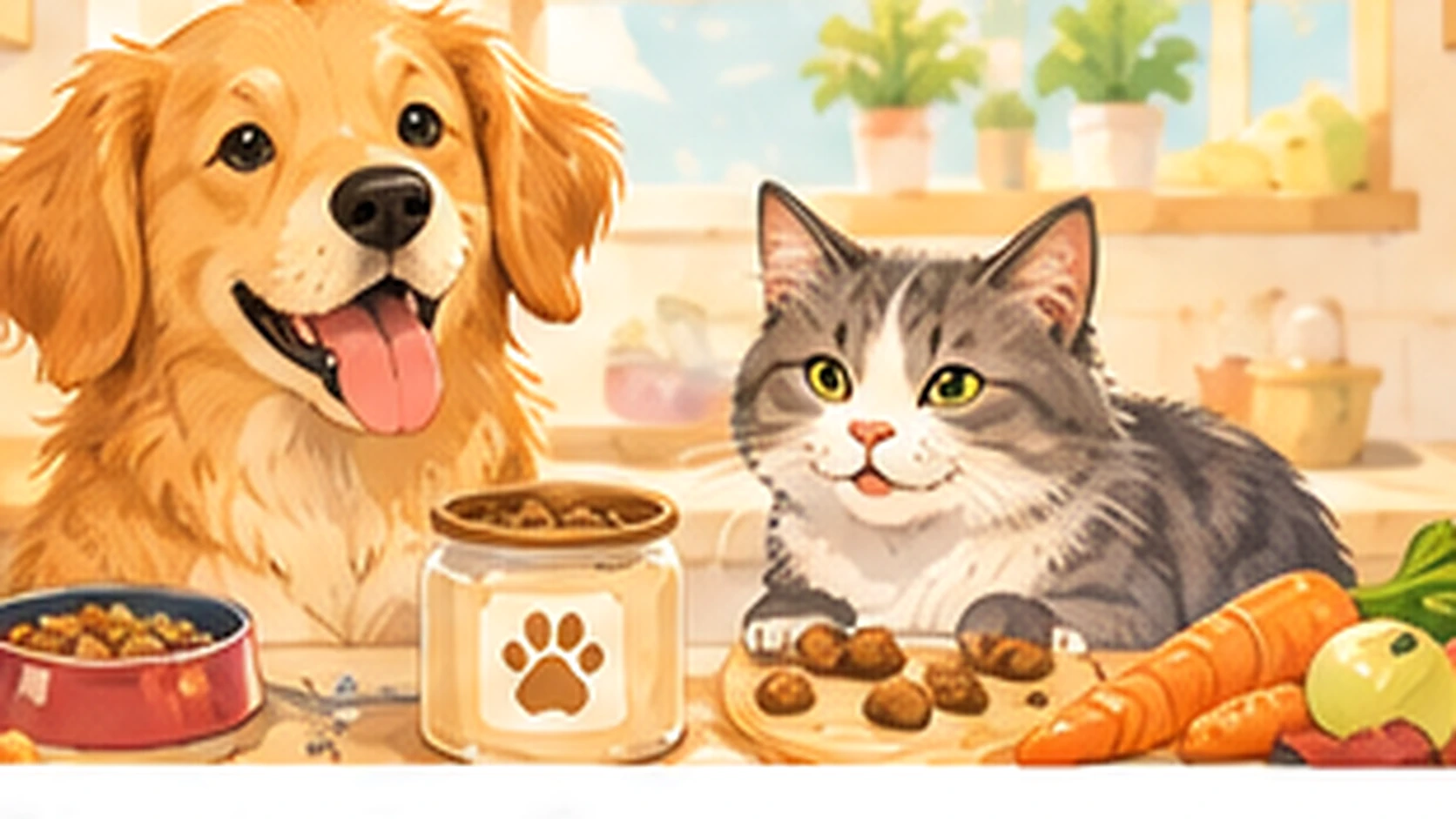
A treat can strengthen a bond, reward training or make a nervous moment easier. It can also add more calories than expected or expose a pet to unsafe ingredients. Dogs and cats have different dietary needs, and a food that is ordinary for people is not automatically harmless for either animal. The safest approach is to know what is in the treat, how much you are offering and whether it fits your pet's overall health plan.
Start with the everyday diet
Most of a healthy pet's calories should come from food formulated to be nutritionally complete for its species and life stage. Treats are supplementary, even when the package sounds nutritious or natural. A common veterinary guideline is to keep treats to no more than about ten percent of daily calories unless your veterinary team recommends otherwise. That is a ceiling, not a target to reach every day. A small animal can exceed the allowance with only a few rich snacks. If your pet has diabetes, kidney disease, food allergies, pancreatitis or a prescription diet, obtain tailored advice before adding novel treats.
Learn the calorie math without obsessing
Read the kcal per piece, per gram or per package, rather than judging portion size by appearance. If your veterinarian estimates a pet needs 300 kcal daily, a ten percent upper allowance would be around 30 kcal from treats, with the remaining calories supplied by balanced food. The number 300 is only an arithmetic illustration, not a feeding recommendation. Break large training treats into tiny pieces and count everything: dental chews, peanut butter, lick mats and the bites family members hand out. If a package lacks clear energy information, ask the manufacturer or choose something with a useful label.
Dangerous foods belong out of reach
Avoid chocolate, caffeinated drinks, alcohol, raw bread dough, onions, garlic and related alliums, grapes and raisins, and products with xylitol. Xylitol is especially dangerous for dogs and may appear in sugar-free gum, sweets, some nut butters or medicines under other names. Macadamia nuts are also hazardous to dogs. Do not assume that a small taste is safe or wait for symptoms after a suspected exposure: contact your veterinarian or an emergency service immediately with the ingredient, amount and time. Risk varies by species, dose and individual animal; online anecdotes are not a reliable safety test.
Watch physical hazards as well as toxicity
Bones can splinter or lodge in the digestive tract, and large hard chews may fracture teeth. Corncobs, fruit pits, skewers, wrappers and plastic food packaging can cause choking or obstruction. Excessively fatty table scraps may trigger gastrointestinal illness and can be particularly problematic for some dogs. Raw animal-based treats carry contamination risks for pets and people, especially when household members are vulnerable. Wash hands, store food properly and supervise chewing. An item advertised as organic, handmade or grain-free is not automatically safe. Size, texture, hygiene and the pet's health matter more than marketing words.
Choosing simple treats for dogs
A tiny piece of plain, fully cooked, unseasoned lean meat can be useful for some healthy dogs, after confirming there are no bones or dangerous additions. Certain washed vegetables, offered in suitable small pieces, may also work if tolerated. Avoid seasoned sauces, onion or garlic powder, and salty processed meats. Watch the whole treat rather than one ingredient; a seemingly plain meat dish may have been cooked with unsafe seasonings. Some dogs gulp instead of chewing, so choose a size and softness that reduce choking risk. Check with a veterinarian for puppies, dogs with digestive disorders or those on restricted diets.
Choosing treats for cats
Cats are obligate carnivores and should not rely on human snacks to meet their nutritional needs. A small piece of plain cooked meat may be acceptable for a healthy cat, but treat texture, interest and tolerance vary. Many cats do not digest much dairy comfortably; milk is not a required reward. Tuna marketed for people is not a complete daily cat diet, and salty preparations are a poor routine treat. Cats may value a short wand-toy session or chin rub more than food. Offering play as a reward avoids excess calories and respects cats that are not especially motivated by edible treats.
Training treats should be tiny and meaningful
Use the smallest portion your pet will work for. In a quiet room, ordinary kibble from the daily ration may be sufficient; in a more distracting setting, a higher-value but safe treat may help. Reward immediately after the behavior so the connection is clear. If you run several sessions, subtract those calories from the daily meal rather than adding them on top. Try nonfood rewards such as sniffing, play or access to a favored activity when appropriate. The goal is not to stuff an animal with snacks but to make learning consistent, predictable and rewarding.
Involve everyone in the household
Treat budgets fail when each family member gives 'just one' extra piece. Decide together which foods are allowed, where treats are stored and who is responsible for daily portions. Keep unsafe food above counter height and in secure cupboards, not in a bag a determined dog can raid. During holidays or visits, politely ask guests not to feed pets from the table. Children should give treats only with appropriate adult supervision and should never use food to lure a frightened pet closer. Make the house rule simple enough that visitors and pet sitters can follow it.
Reading labels and assessing claims
Look for the product's intended species, ingredient list, calorie information, manufacturer contact details, storage directions and any relevant warnings. Treats usually are not formulated as complete diets. Words such as 'natural,' 'premium,' or 'human grade' do not establish that a product is balanced or medically beneficial. Claims about teeth, joints or calming effects deserve careful examination and a conversation with your veterinary team. Be especially cautious with unregulated supplements or homemade formulations promising to cure disease. Keep packaging and lot numbers if your pet reacts badly or a recall is announced.
Adjust treats when weight changes
Track body weight and body condition rather than relying on a full bowl or a happy expression. If your pet is gaining weight, review treat calories before making dramatic changes to balanced meals. Ask your veterinarian for an appropriate weight plan, particularly for cats: sudden or prolonged food restriction can cause serious problems. Use measuring tools instead of handfuls, and choose lower-calorie enrichment where suitable. A slow feeder, puzzle or small portion of regular kibble used for training can be more helpful than buying another bag of rich snacks.
Know when to call for help
Contact a veterinarian promptly if a pet eats a potentially toxic ingredient, swallows a bone or wrapper, repeatedly vomits, becomes weak, develops breathing difficulty or shows signs of abdominal pain. Do not induce vomiting or give home antidotes unless a veterinary professional specifically instructs you to do so. Save the label, estimate the amount eaten and note when it happened. For ordinary new-treat diarrhea without emergency signs, stop the treat and ask the veterinary team whether evaluation is needed. Knowing when to seek help is part of making treats a safe pleasure rather than an avoidable risk.
Build a sustainable treat routine
Choose a few well-tolerated options, determine a daily calorie allowance with your veterinarian and portion it into a small container each morning. Use some for training, some for cooperative care and some for enrichment if appropriate. Keep the rest of the diet nutritionally complete and monitor appetite, stools and weight. Not every loving gesture needs food: quiet companionship, play, brushing or a sniff walk may be even more meaningful. A thoughtful treat routine can bring joy while protecting long-term health.
Reward without turning every activity into eating
Try combining a tiny edible reward with other experiences your pet values: a dog might earn permission to sniff a tree or play a brief tug game, while a cat might enjoy chasing a wand toy or sitting near you undisturbed. For animals recovering from obesity or on restrictive medical diets, these alternatives can be especially useful. Observe your pet's choice rather than assuming praise or petting is always welcome. If your pet turns away from touch, let it decline. The strongest reward is one the individual finds pleasant and safe, not necessarily the food that smells most exciting to a human.
Keep Reading
Plan gradual diet transitions, manage texture preferences, track intake and recognize when apparent picky eating needs veterinary attention.
Read the Full Guide →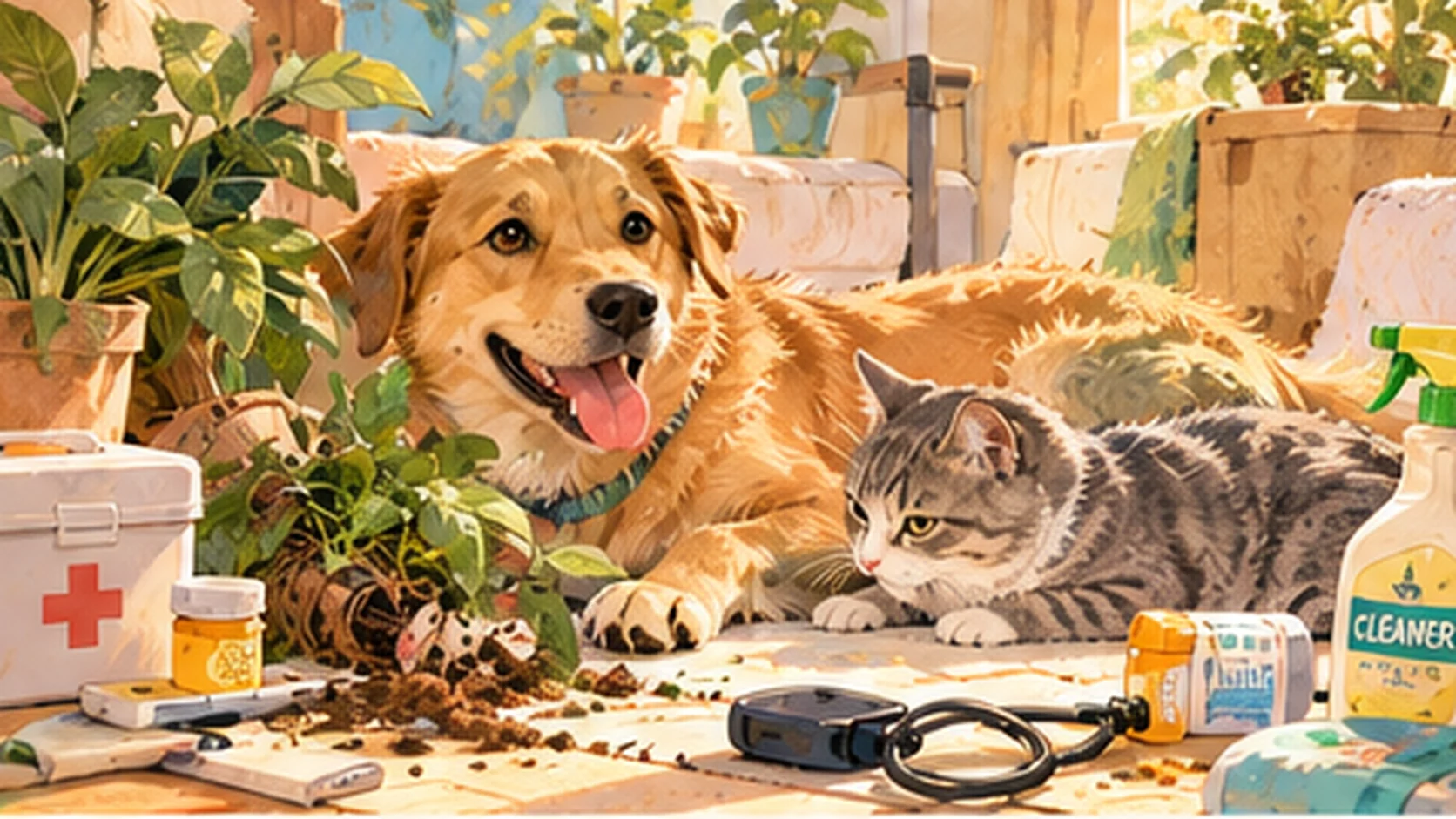
A room-by-room safety check for dogs and cats, from medicines and toxic plants to chewing hazards, balconies, cords and poisoning emergencies.
Read the Full Guide →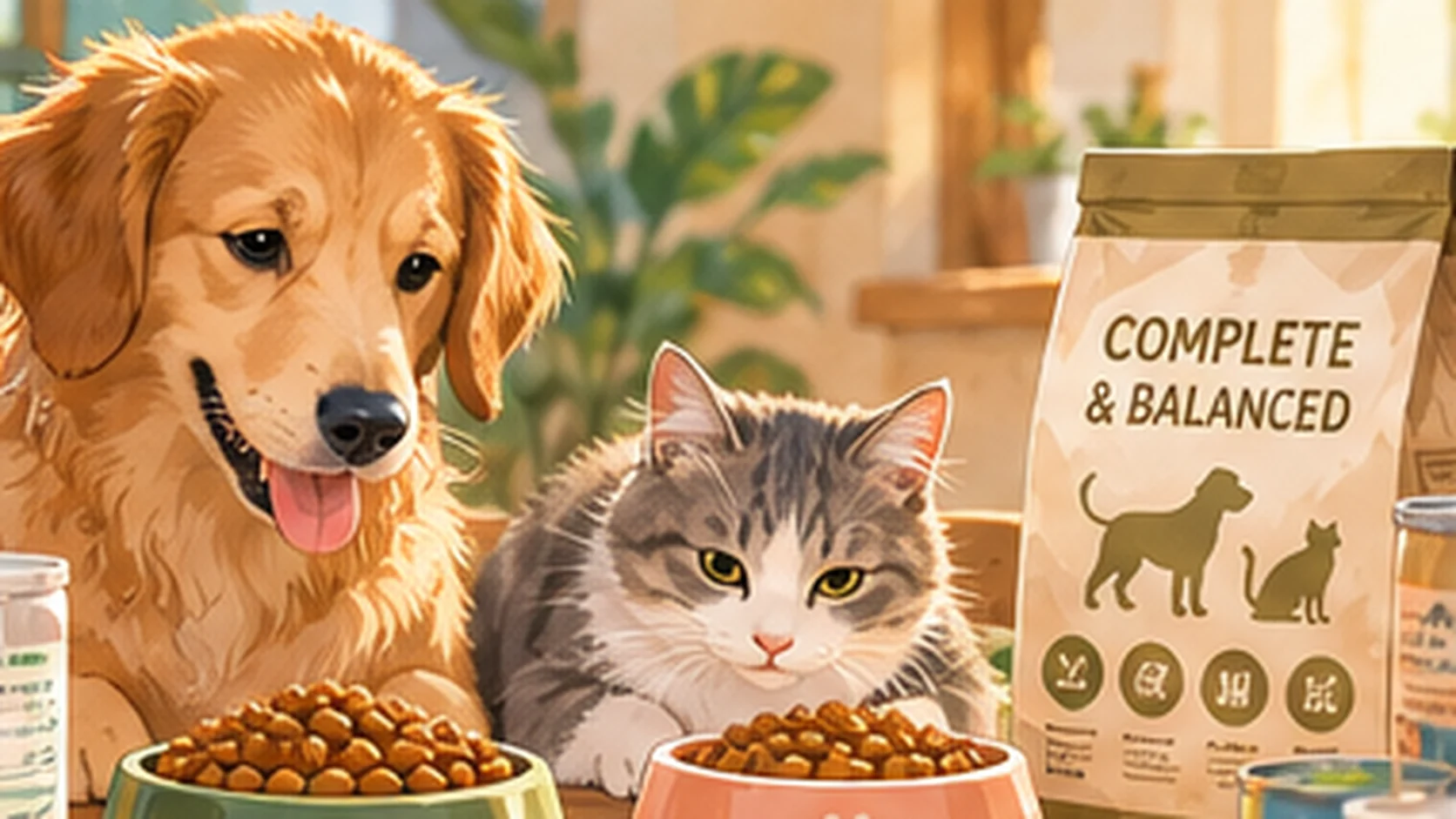
Learn to find life-stage suitability, nutritional adequacy, calories and manufacturer information while separating useful label facts from appealing marketing.
Read the Full Guide →