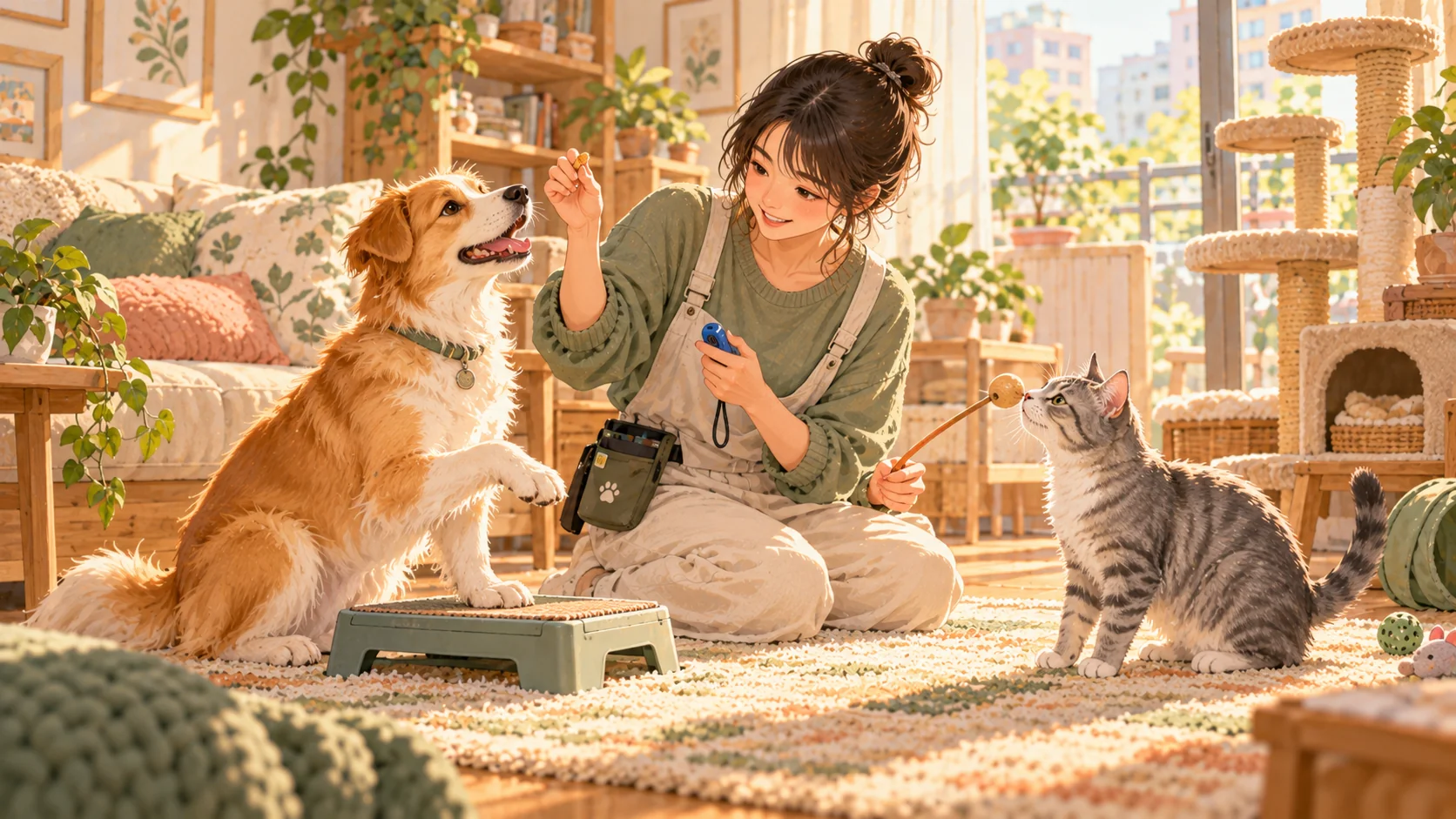
Training is communication, not a contest to see who is in charge. Dogs and cats learn through consequences, patterns and their emotional experience of a situation. Positive reinforcement means adding something the animal values after a behavior so that behavior becomes more likely in the future. For one pet that may be a small food reward; for another it may be a toy, access to a favorite spot or permission to sniff. Thoughtful reward-based teaching can improve everyday cooperation while protecting trust. It also leaves room to recognize when fear, pain or unmet needs are driving a problem that ordinary training cannot solve alone.
Notice what the animal is telling you
Before introducing a cue, observe when the desired behavior already occurs naturally. A dog may sit while waiting calmly; a cat may step onto a mat to watch dinner preparation. Reward that moment promptly. Also look for body-language signs of stress: freezing, turning away, excessive panting, flattened ears, hiding or attempts to escape. Training should be adjusted or paused when the learner is frightened. Avoid describing an animal as stubborn or dominant simply because it cannot perform in a noisy environment. Distraction, unclear timing, fatigue, pain and an overly difficult task are more useful possibilities to investigate. An animal that feels safe usually has a better chance to learn.
Choose a small, clear behavior
“Be good” is not a behavior an animal can reliably understand. “Put all four paws on the floor when someone enters” or “step onto this towel” is observable and trainable. Begin in a quiet location with short sessions. Wait for or gently prompt the action, mark the exact moment with a cheerful word such as “yes” or a clicker, then deliver a reward. A marker must be taught through repeated pairing with something rewarding; the sound is not magical by itself. If the learner does not respond, make the step easier. Many animals learn faster from several brief successful repetitions than from one exhausting session. End while things are going well, before either of you becomes frustrated.
Reward the behavior you want more of
To teach a dog to settle, first reward approaching a mat, then standing on it, sitting and eventually resting. Do not demand the final behavior at the start. For a cat, use a target stick or a treat to help it voluntarily step onto a carrier blanket or a perch. Reward after the correct movement, not several minutes later. As the skill improves, vary the location, distance and distractions gradually. If an animal can sit in the kitchen but not outside a school gate, it has not “forgotten” training; the context is much harder. Return to an easier version and build confidence. This process of rewarding successive approximations is often called shaping, and it can be used without force.
Prevent mistakes by changing the environment
Management is part of good training. If a dog steals shoes, put shoes behind a door and provide appropriate chew items. If a cat scratches the sofa, place a stable scratcher near the preferred spot and reward its use. If a dog jumps on guests, use a barrier or leash for safe initial distance and teach a calm greeting before people approach. Management prevents repeated rehearsal of risky behavior while the pet learns a workable alternative. It is not cheating, and it is not giving up. Do not punish a pet for reaching food you left accessible or for reacting when it felt cornered. Ask what situation makes success most likely and arrange that situation more often.
Understand why punishment is a poor shortcut
Aversive tools and intimidation may stop a behavior in the moment without teaching a safe replacement. They can also increase fear, stress, avoidance or aggression and damage the animal's relationship with people. The American Veterinary Society of Animal Behavior recommends reward-based training rather than electronic collars, prong collars, choke chains, leash corrections or other painful and frightening methods. Spraying a cat with water may make the cat wary of the person holding the bottle while leaving the unmet need unchanged. Yelling at a dog for barking may add more noise and tension. Instead, identify triggers, provide enough distance and reward behaviors that are compatible with calm participation. Safety matters: a severe bite risk needs professional management, not improvised experiments.
Training works for cats too
Cats can learn to enter carriers, come to a familiar signal, touch a target, use appropriate scratching areas and cooperate with basic handling. They often prefer short sessions in a place where they feel secure. A cat that walks away has ended the session; chasing it with a clicker does not make the lesson better. Reward voluntary investigation of a carrier before ever shutting the door, then practice very short closures and calm transport preparation over time. Food can be helpful, but some cats enjoy play or a predictable interaction more. In multi-cat households, train separately so one learner is not frightened or distracted by another. Never withhold needed meals to manufacture motivation, especially in a cat with a history of poor appetite.
Troubleshoot without blaming the learner
When a behavior stalls, ask five questions: Is the reward truly valuable here? Did I mark the correct moment? Is the environment too difficult? Does the pet know the step, or am I skipping ahead? Could discomfort or fear be interfering? Break the skill into smaller parts and shorten the session. A dog that barks at bicycles may need greater distance before any teaching is possible. A cat that suddenly resists being picked up may need a veterinary exam for pain. Growling and hissing are warnings that deserve respect; suppressing the warning without addressing the cause can increase risk. Record the context and frequency of problems, and seek qualified veterinary behavior or humane training support when progress is limited or safety is a concern.
Build skills into ordinary life
Training does not require an elaborate daily class. Reward a dog for waiting while you open a gate, noticing you on a walk or resting quietly while dinner is prepared. Reward a cat for entering a carrier, sitting on its preferred perch while you cook or approaching a grooming tool voluntarily. Keep rewards small and count food used during training as part of the day's intake. Household members should agree on cues and priorities, so one person is not rewarding a behavior another is trying to change. The goal is predictable communication, not robotic obedience. Let animals retain opportunities to explore, rest and make safe choices.
A simple first-week practice plan
Choose just one useful skill and a quiet setting. On day one, identify the behavior and its reward. On subsequent days, practice several brief, successful repetitions; add a cue only when the action is happening predictably. Change one variable at a time, perhaps a different room before adding visitors or outdoor noise. If the learner becomes hesitant, return to an easier step. Keep notes on what worked instead of measuring progress by a rigid timeline. Some pets progress quickly, others need much longer, particularly if their histories include fear or instability. Reward-based training is a way of listening as much as teaching: you are building a shared language that should make everyday life safer and kinder for both of you.
Keep Reading

Understand treat calories, safer reward options, common toxic ingredients, choking hazards and when to call a veterinarian.
Read the Full Guide →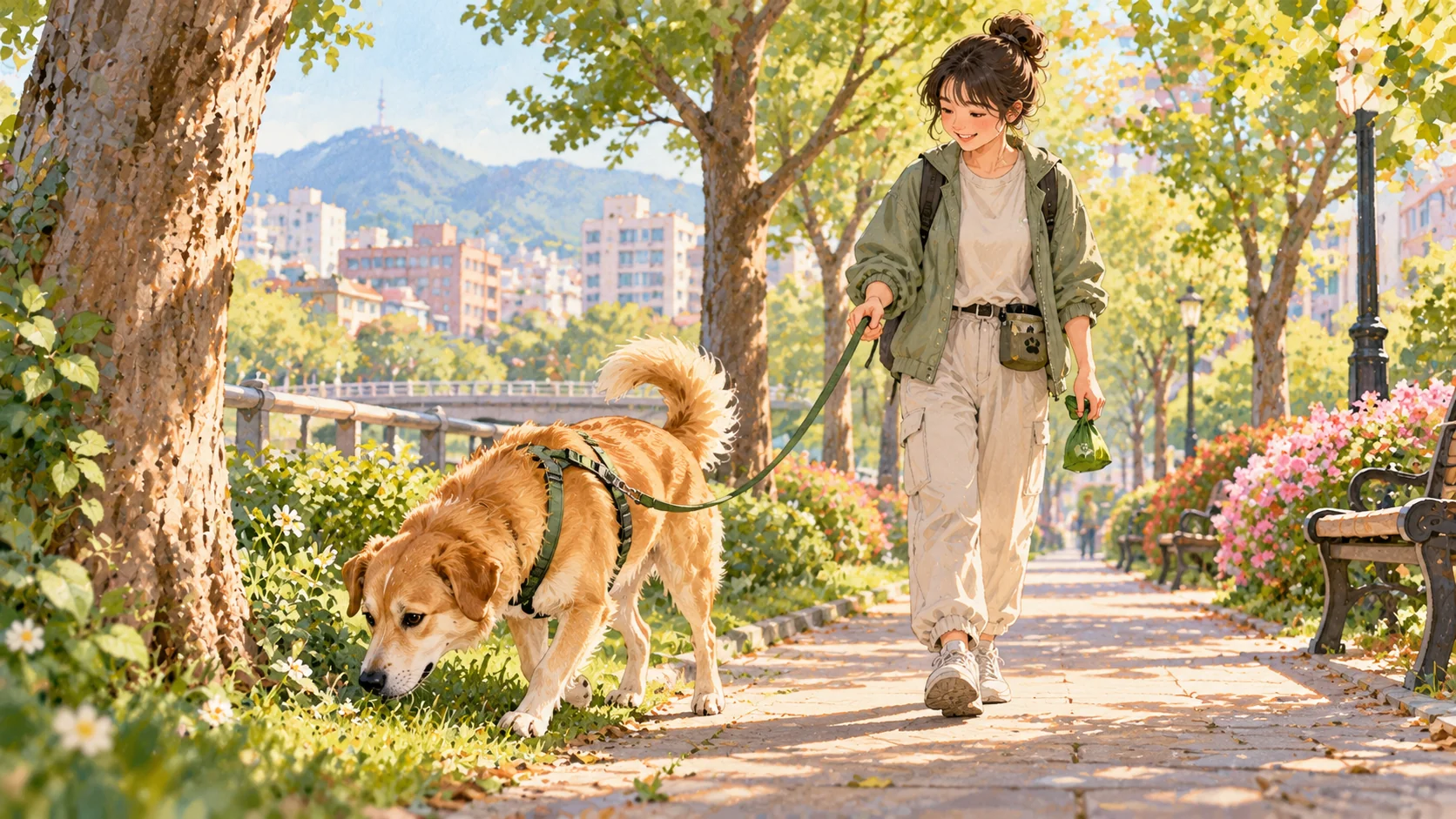
A realistic dog-walking and house-training plan covering sniffing, equipment, positive toilet rewards, urban weather, accidents and when to seek veterinary advice.
Read the Full Guide →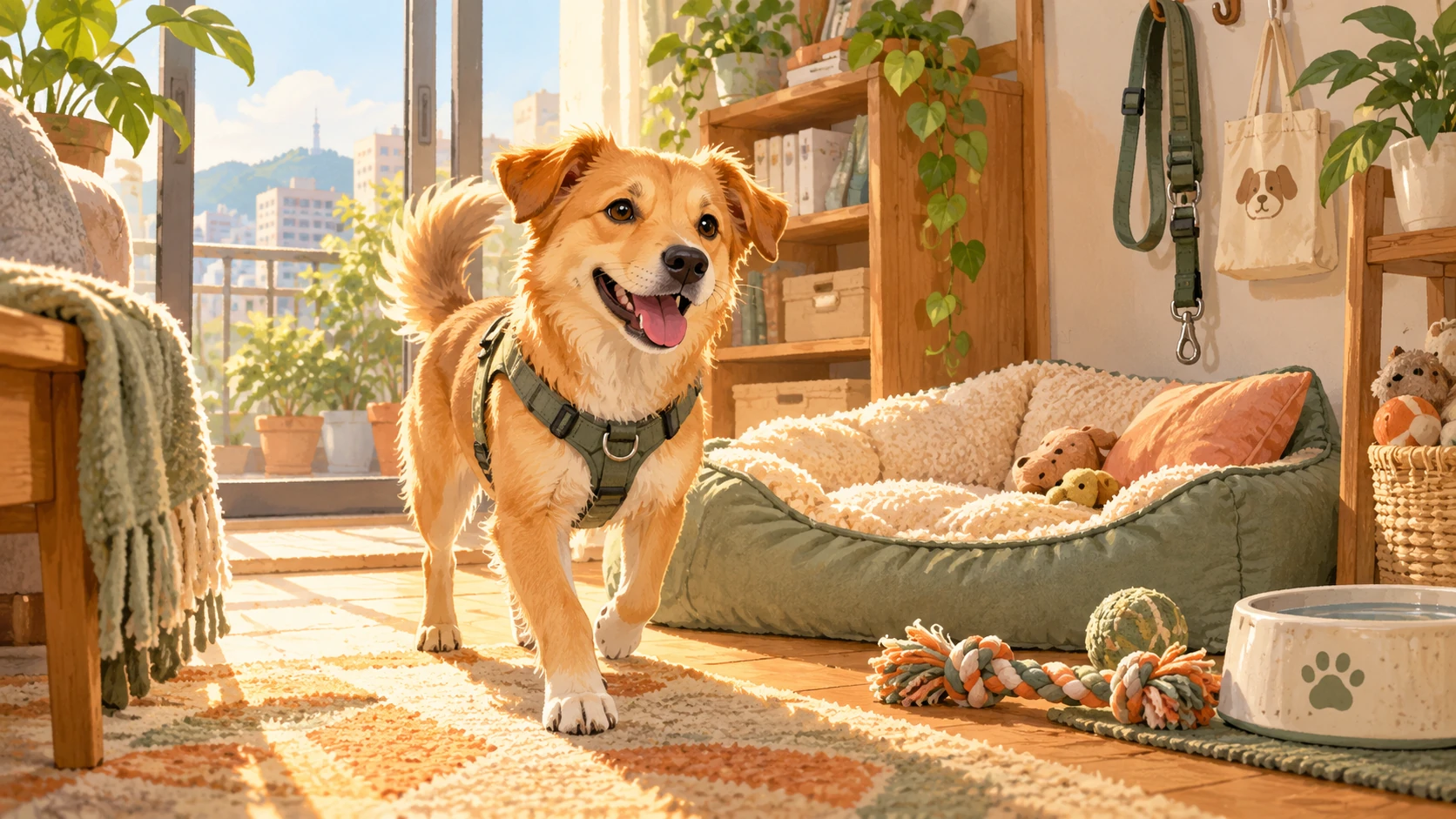
Prepare a calm welcome for your new dog with safe spaces, toileting routines, kind training, gradual introductions and a realistic first-week checklist.
Read the Full Guide →