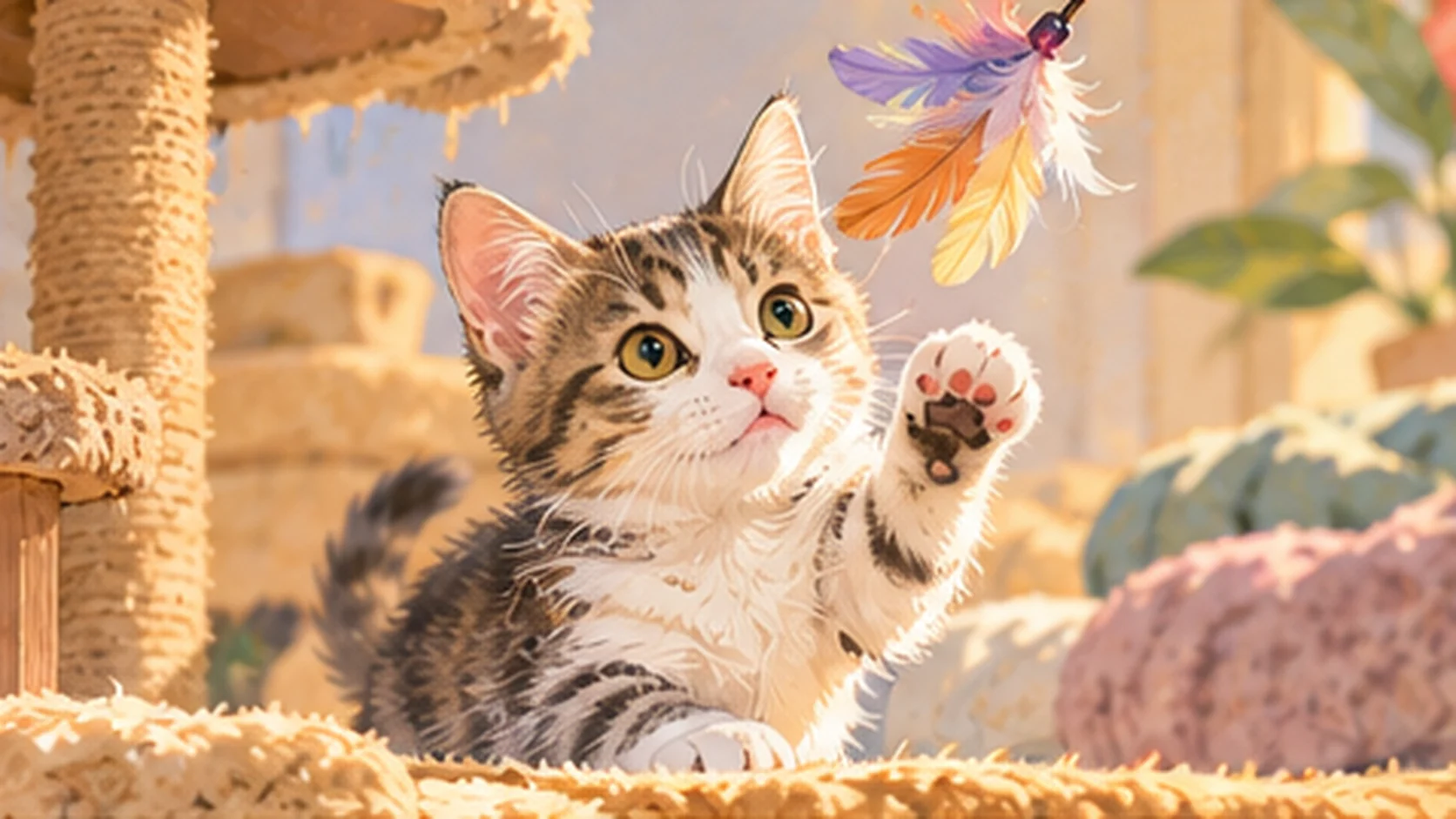
Kittens can be irresistibly energetic, then fall asleep halfway through an adventure. Their first year is a period of rapid physical, social and behavioral development. Good care is not measured by how many toys you buy or how quickly a kitten becomes affectionate. It is about appropriate food, veterinary attention, safe opportunities to explore, comfortable contact and ways to express normal feline behavior. Kittens differ in confidence and background; a rescued kitten with limited earlier contact may need a slower pace than one raised in a calm household.
Start with the health and age picture
Ask for the kitten's estimated age, existing examination records, vaccine dates, parasite treatments, current food and any recent diarrhea, respiratory symptoms or medications. Schedule an initial veterinary visit and agree on follow-up preventive care, testing when indicated and sterilization timing suited to the individual. Very young, underweight or ill kittens can deteriorate quickly. Weakness, persistent vomiting or diarrhea, breathing trouble or refusal to eat in a vulnerable kitten warrants prompt veterinary attention.
A kitten should generally stay with its mother and littermates for an appropriate developmental period when that is safe and possible. Do not separate a nursing kitten merely to begin socialization earlier. Found kittens require careful assessment: the mother may be nearby, and bottle-feeding, warming and elimination assistance need correct age-specific instructions from experienced caregivers or veterinary staff.
Offer food designed for growth
Use a complete, balanced diet appropriate for kittens and ask your veterinarian about quantity and feeding schedule. Growing kittens need different energy and nutrient proportions from adult cats. Monitor weight and body condition rather than treating an empty bowl as proof that unlimited food is always best. Fresh water should be available; wet food can contribute moisture, but both wet and dry formats need to meet nutritional needs when fed as the main diet.
Make any food changes gradually when possible. Keep bowls in a quiet location away from litter trays. If several cats live together, provide separate feeding opportunities instead of forcing competition. Treats should not crowd out a nutritionally complete diet. Sudden loss of appetite, weight loss or persistent gastrointestinal problems deserve veterinary assessment.
Create a small safe home base
Start with one comfortable room or designated area containing food, water, a low-entry litter box, scratching surfaces, a secure sleeping place and hiding spots. Keep electrical cords, medicines, string, small objects and toxic plants out of reach. Kittens may climb shelves and squeeze into appliance spaces that seem impossibly small; inspect windows, screens and doors carefully. Offer gentle exploration as confidence grows rather than giving access to every room on day one.
A carrier can be left open with bedding so it becomes part of daily life, not a signal that something unpleasant is about to happen. Introduce new sounds and household routines gradually. Never force a hiding kitten to be held for visitors. Curiosity flourishes when the animal can retreat and rest.
Socialization should feel safe, not overwhelming
Early kittenhood includes a sensitive period for learning about people and surroundings. The quality of encounters matters more than the number. Invite a calm person to sit nearby, offer a treat or toy and allow the kitten to approach. Introduce brief, gentle exposure to ordinary household sounds, grooming tools and carriers while the kitten remains relaxed. Some kittens need more distance and time, particularly when they have had little positive contact with humans.
Avoid rough handling, chasing or forced cuddling. Let children know that the kitten must be able to walk away and that sleeping animals should not be awakened for play. If the kitten crouches, pins its ears, hisses or tries to escape, stop and make the next attempt easier. Positive early experiences can help, but there is no guarantee every kitten will become outgoing.
Encourage natural play and hunting sequences
Kittens practice stalking, chasing, pouncing and grabbing through play. Use wand toys, rolling objects and appropriate food-search games; finish a play session by allowing a satisfying catch, then offer a small meal or rest when suitable. Avoid wiggling fingers or toes as prey: it encourages biting and scratching of human skin. Put string, ribbons and wand toys away afterward because swallowed strands can cause serious intestinal injury.
Offer multiple short play periods instead of one exhausting session. A kitten that bites or leaps wildly may need a pause, more appropriate toys or rest rather than scolding. Supervise toys for loose parts and adapt as the kitten grows. Play supports both physical coordination and a sense of control over the environment.
Build good litter-box habits early
Provide a shallow, easy-to-enter litter box in a quiet, accessible location, not immediately beside food and water. Start with the litter or substrate the kitten already knows when possible. Some kittens accept certain textures better than others, so gradual experimentation can help. Scoop frequently and keep the area clean without heavy fragrance. In a multi-cat home, distribute enough boxes so that an older cat cannot block access.
If accidents occur, check the setup, accessibility and medical possibilities before assuming disobedience. Never punish a kitten by placing its nose near waste. Frequent attempts to urinate with little or no urine require immediate veterinary attention, particularly in male cats. Persistent diarrhea, straining or sudden changes in elimination deserve a veterinary conversation.
Introduce handling as a choice
Short, positive practice now can make adult care easier. Let the kitten sniff a brush, briefly touch a paw and reward relaxed behavior. Over time you can gently look at ears, mouth and claws without restraining the kitten for long periods. Work at the kitten's pace and stop when it turns away or becomes tense. Some kittens enjoy being held; others prefer sitting beside people. Affection need not look like constant cuddling.
Use rewards to teach easy cooperative behaviors such as approaching a carrier, sitting on a mat or coming toward a familiar sound. Avoid spray bottles, shouting and rough punishment. These tactics can create fear without explaining what to do instead. Reward scratching on an approved surface and place scratching options near favorite resting or activity areas.
Introduce resident animals gradually
If you already have pets, begin with separate spaces and consider medical isolation guidance for newcomers. Exchange scents, feed on opposite sides of a closed door if comfortable, then progress to brief protected visual contact. A kitten's enthusiasm does not mean the resident cat or dog wants immediate play. Supervise and ensure escape routes and elevated cat-only spaces. Do not hold animals nose-to-nose or leave a chasing dog unsupervised with a kitten.
For resident cats, provide distributed litter boxes, food, water and resting spots so no single animal controls access. Watch for hiding, appetite changes, blocking behavior or repeated chasing. Return to an earlier stage if interactions become tense; a slow start is usually easier than repairing a frightening introduction.
Follow development rather than a rigid milestone chart
Kittens change rapidly in size, coordination, teeth, appetite and activity. At veterinary visits discuss weight, body condition, parasites, vaccine progress, dental and growth concerns. Adolescence may bring stronger exploration, increased independence or shifts in social behavior. Update your home as the kitten reaches higher shelves, opens drawers or develops new play preferences.
Keep a few dependable habits: feed an appropriate diet, watch eating and litter patterns, allow daily play and quiet rest, protect safe hiding spots and reward voluntary interaction. The best foundation for adulthood is a kitten who learns that their environment is predictable and people respect what their body language is saying.
Keep Reading
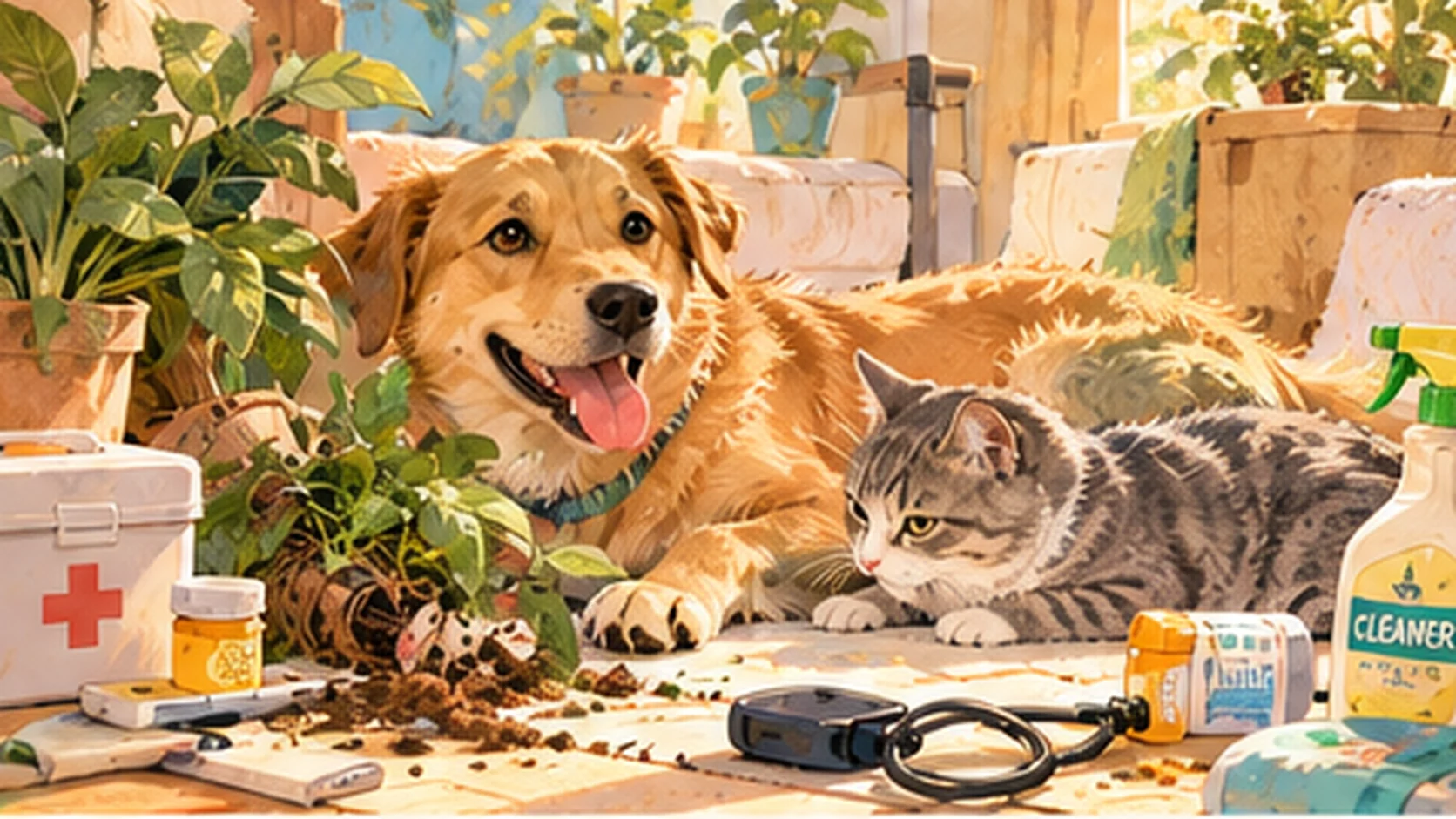
A room-by-room safety check for dogs and cats, from medicines and toxic plants to chewing hazards, balconies, cords and poisoning emergencies.
Read the Full Guide →
Learn to read a pet’s whole-body signals instead of judging by a wagging tail or a purr alone, and respond before discomfort escalates.
Read the Full Guide →
Know what to bring, how to make travel less stressful, what a wellness exam includes and which questions to ask about vaccines, nutrition, behavior and follow-up care.
Read the Full Guide →