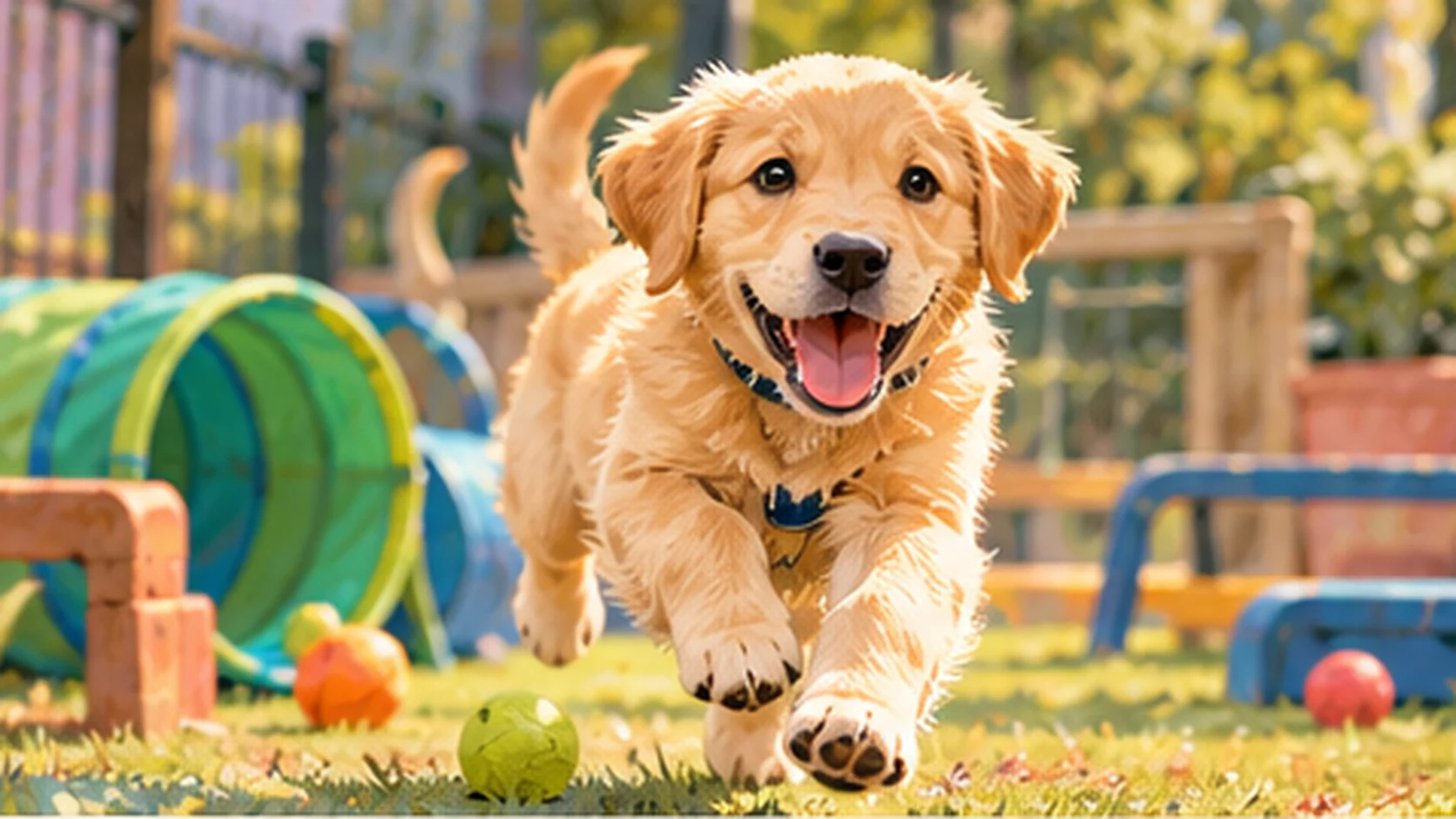
Puppyhood moves quickly. One week your puppy may be absorbed by a shoelace; another week a bicycle, doorbell or unfamiliar person suddenly seems surprising. The goal is not to produce a perfectly obedient dog by a particular age. It is to help a developing animal feel safe, practice useful everyday skills and learn that people respond predictably. Genetics, early experiences, physical health and individual temperament all matter, so compare your puppy with their own progress rather than a social-media checklist.
Plan early veterinary and nutrition care
Arrange a veterinary examination soon after adoption, or follow the rescue or breeder's documented plan. Bring the vaccine record, parasite treatments, prior diet, stool concerns and any medications. Ask for an individualized vaccination and parasite-prevention schedule based on local disease risk, age and health. Young puppies are vulnerable to infectious illness, but complete isolation can also interfere with healthy behavioral development; your veterinarian can help identify low-risk, positive experiences while vaccines are in progress.
Feed a nutritionally complete food appropriate for growth and the puppy's expected adult size. Large-breed puppies may need a diet specifically formulated for controlled growth. Ask your veterinary team to assess body condition and feeding portions, and adjust as the puppy develops. Fresh water and regular meals support predictable toileting; avoid suddenly switching foods if there is no reason to do so.
Understand socialization as gentle learning
Socialization is not collecting the largest number of greetings. It means developing comfortable associations with different people, surfaces, sounds, sights and daily events at the puppy's pace. The earliest months are particularly important. Invite your puppy to observe a bicycle from a distance, hear traffic at a tolerable volume, or watch a calm person without requiring interaction. Pair pleasant experiences with treats, play or reassurance, and allow retreat.
Choose controlled environments instead of crowded dog parks or unknown-disease-risk areas. Well-run puppy classes may be appropriate before the complete vaccine series, following veterinary guidance and the class's vaccination, sanitation and enrollment policies. If your puppy freezes, hides, refuses favorite treats or struggles to recover, the exposure is too intense; increase distance and try again another day.
Build a daily rhythm of rest and activity
Puppies often need more rest than excited owners expect. Schedule quiet sleep in a comfortable area, short play sessions, brief exploration and predictable meals. Overtired puppies may nip, zoom, bark or struggle to settle. Rather than adding another training drill, try a toileting break and calm rest. Create a positive association with a pen, crate or gated puppy-safe room using food, toys and choice; never use confinement as frightening punishment.
Practice small periods of comfortable separation gradually. Start while your puppy is relaxed, step away briefly and return before distress becomes intense. Longer absences should not be imposed through prolonged panic or crying. Arrange help during workdays when a puppy is too young to remain alone or hold urine for long periods.
Teach toileting with predictable opportunities
Take your puppy to an appropriate toileting area after waking, eating, playing and at other frequent intervals. Quietly reward success as it happens. Keep a simple log so you can see patterns and prevent accidents. Use safe supervision indoors or a puppy-proof resting area when you cannot watch. Clean accidents with an appropriate product and calmly reset the schedule; scolding or rubbing a dog's nose in waste is frightening and does not teach a useful alternative.
Puppies vary in physical development and bladder control. Sudden frequent urination, straining, blood, diarrhea or persistent house-soiling despite adequate opportunities should prompt veterinary discussion. If you live in a high-rise building or cannot easily reach outdoors, make a realistic plan for frequent outings or a veterinarian-approved temporary toileting arrangement.
Teach cues through rewards and very small steps
Start with useful behaviors such as responding to a name, coming when called, following a hand target, sitting for a moment and settling on a mat. Say a cue once, reward the action you want and keep sessions short enough to remain enjoyable. Teach a loose leash indoors before adding a busy outdoor environment. Celebrate voluntary check-ins on walks; puppies cannot focus equally well everywhere.
Reward-based methods help build trust and give the puppy clear information. Avoid leash jerks, hitting, frightening sounds or tools intended to cause pain. When the puppy makes a mistake, ask whether the task was too hard, the reward too small or the environment too distracting. Training should be adjusted to the learner, not used as a test of who is “in charge.”
Handle biting, chewing and jumping kindly
Puppies explore with their mouths and may nip during play or teething. Offer safe chews, briefly pause attention when teeth contact skin, and redirect to a toy. Children should not wrestle or run screaming with a highly aroused puppy; supervise and provide breaks. Protect shoes, cables and medication rather than expecting a puppy to distinguish them from chew toys. If biting is intense, painful or accompanied by stiff threatening behavior, seek qualified help.
Jumping is often an attempt to greet. Reward keeping paws on the floor and teach visitors to turn greetings into calm, brief interactions. Avoid forcing a puppy to sit while struggling with excitement. Build habits gradually in low-distraction situations before expecting them to work when guests arrive.
Practice safe handling and grooming
Help the puppy associate touch with pleasant outcomes. Show a brush, reward curiosity, make one gentle stroke and stop. Do the same with briefly touching paws, looking at ears, introducing a harness and examining the mouth. Stop before your puppy becomes frightened. This preparation makes later nail trims, dental care and veterinary visits easier, though some procedures still need professional support.
Supervise play with adult dogs and choose partners who respond gently to puppies. A bigger dog tolerating rough play is not proof that the interaction is good for both. Look for pauses, voluntary re-engagement and room to leave. Keep high-value chews and food separate when introducing other animals.
Recognize developmental changes without panicking
Adolescent dogs may seem distracted or more wary of situations they previously accepted. Revisit simple skills, reduce difficulty and maintain predictable routines instead of assuming the dog is stubborn. Fearful responses deserve distance and support, not forced “confidence building.” Growth and joint development also affect what exercise is appropriate; ask your veterinarian before repetitive high-impact exercise or intensive running.
Watch for signs of illness including lethargy, repeated vomiting, severe diarrhea, difficulty breathing or refusal to eat in a vulnerable young puppy. These can warrant urgent assessment. Vaccination appointments, parasite prevention, nutrition reviews and appropriate sterilization discussions belong in an ongoing care plan, not in one rigid timeline applied to every animal.
A realistic first-year checklist
Focus on everyday outcomes: the puppy can rest safely, accepts gentle care, has predictable toileting opportunities, explores new things without being overwhelmed and understands a few helpful cues. Keep notes on questions to ask at veterinary visits. Photograph normal development, monitor body condition and adjust your environment as your dog gets taller, stronger and more curious.
Progress is not a straight line. Two calm, confident experiences are often worth more than a dozen frightening introductions. A healthy relationship is built through repeated ordinary moments when the puppy discovers that the world is understandable and their caregiver will help them navigate it.
Keep Reading
A realistic dog-walking and house-training plan covering sniffing, equipment, positive toilet rewards, urban weather, accidents and when to seek veterinary advice.
Read the Full Guide →
Prepare a calm welcome for your new dog with safe spaces, toileting routines, kind training, gradual introductions and a realistic first-week checklist.
Read the Full Guide →
A gentle grooming routine for dogs and cats covering brushing, bathing, nail trimming, ears, paws, stress signals and when professional care is safer.
Read the Full Guide →