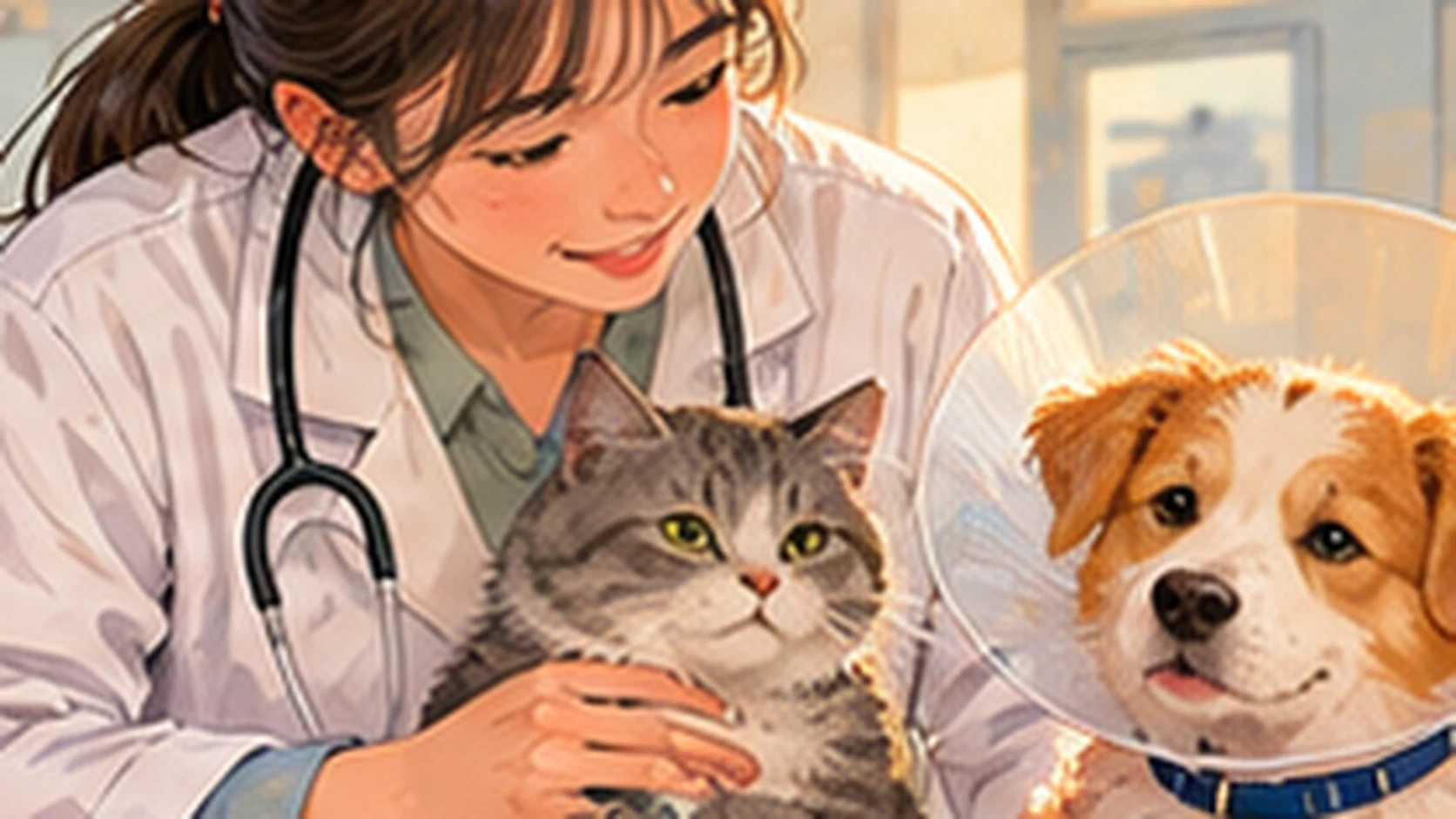
Begin with an individualized conversation
Spaying and neutering can prevent reproduction, but timing and technique should not be decided from a single internet age chart. A veterinarian considers species, sex, breed, expected adult size, age, reproductive status, health conditions, household circumstances and local population-control responsibilities. Shelter animals may be sterilized before adoption under a program with its own risk assessment. For family pets, especially some large-breed dogs, veterinary discussions may weigh developmental and health tradeoffs differently than for cats. Ask what operation is planned, why that timing is suggested and what alternatives exist. A well-informed decision includes benefits, surgical risks, recovery and ways to prevent accidental mating in the meantime. It does not assume that every dog and cat should follow the same timetable.
Understand what the procedures change
The words spay and neuter are often used broadly, but procedures differ. Common operations remove ovaries, sometimes with the uterus, in female animals, or the testes in male animals; specific surgical approaches vary by veterinarian and patient. Sterilization stops reproduction and commonly changes the production of reproductive hormones. It does not automatically teach manners, cure fear, erase all marking behavior or resolve every conflict between animals. A dog that barks from anxiety still needs appropriate behavior care afterward. Cats may show changes in heat-related behaviors, but established habits and environmental stressors can persist. Ask the veterinarian what the planned procedure entails, what organs are removed and what effects are realistic for your pet. Avoid promises about guaranteed personality transformation.
Benefits and tradeoffs deserve equal attention
Preventing unwanted litters is an important reason for sterilization. Removing certain reproductive organs also prevents or reduces the risk of some reproductive diseases, depending on sex and procedure. However, general anesthesia and surgery have risks, and research on long-term effects can differ by dog breed, body size and timing. Discuss issues such as mammary or uterine disease, testicular disease, potential orthopedic considerations and weight management without treating one finding as universal. A pet may require extra medical evaluation before surgery because of heart disease, infection, anemia or other concerns. Ask which risks are established for your pet and which are uncertain. If local regulations or adoption contracts affect your choices, verify current rules with the appropriate authority or rescue organization rather than relying on old forum posts.
Prevent pregnancy safely while making the decision
An intact female dog or cat can become pregnant, and intact males may seek mating opportunities. Do not assume that an indoor cat cannot escape or that a garden fence is sufficient during a heat cycle. Keep animals securely indoors or on controlled outings as appropriate, separate incompatible animals and supervise entrances and windows. Avoid relying on diapers or clothing as contraception. If accidental mating is suspected, contact a veterinarian promptly rather than attempting medications or home interventions. Foster and rescue caregivers should follow the organization’s written reproductive management policies. Discuss behavior and housing needs during a heat period as well as the practical capacity of everyone in the household. Responsible waiting is possible only when the risks are actively managed; doing nothing because the pet seems young is not a prevention strategy.
Prepare for the surgical appointment
Before scheduling, provide a full health history including medications, supplements, prior anesthesia issues, heat status, possible pregnancy and recent illness. The clinic may recommend an examination or tests appropriate to age and risk. Follow the exact instructions about fasting, water, medication and arrival; puppies, kittens and animals with metabolic disease may need plans different from a generic adult schedule. Ask about pain control, anesthetic monitoring, discharge timing, wound protection, emergency contact and expected activity restrictions. Arrange safe transport in a carrier or restrained vehicle, and prepare a quiet recovery space away from stairs and rough play. If the pet develops vomiting, coughing, diarrhea or other illness immediately before surgery, notify the team so the procedure can be reassessed.
Manage the first days of recovery carefully
After anesthesia, a dog or cat may be sleepy or unsteady for a period; follow discharge instructions about feeding, water and monitoring. Give only medications prescribed for that animal, in the stated doses and times. Keep the incision dry and prevent licking or chewing with the protective method recommended by the clinic. Activity limits vary by procedure, but jumping, wrestling and unrestricted outdoor play are usually poor ideas during early healing. Provide a comfortable floor-level resting space and separate other animals if they disturb the patient. If an Elizabethan collar or recovery suit is used, check that the pet can breathe, eat and drink comfortably. Never remove protection permanently just because the pet seems annoyed. Ask the clinic when normal activity may resume.
Know when to call after surgery
Contact the veterinary team promptly for increasing redness, swelling, discharge, an opened incision, persistent vomiting, unusual pain, marked lethargy, difficulty urinating or refusal of food beyond the clinic’s expected recovery window. Active bleeding, collapse or breathing difficulty requires emergency care. Do not clean the wound with alcohol, hydrogen peroxide or unapproved ointments. Photograph changes if safe and share them with the clinic. Cats that fail to resume eating appropriately need timely guidance; a long fast can create serious problems. Follow the recheck or suture-removal plan if one was provided, and ask whether the procedure used internal or external sutures. A seemingly cheerful animal can still damage an incision by jumping, so recovery restrictions should remain in place until medically cleared.
Plan for long-term health after recovery
Some pets gain weight more easily after sterilization, so reassess food portions, treats and body condition as activity and metabolism change. Work with the veterinarian rather than sharply cutting food or replacing balanced diets with an unsuitable homemade plan. Continue enrichment, gentle training, preventive care and attention to behavior. If urine marking, anxiety or conflict persists, look for medical, learning and environmental causes instead of assuming the operation failed. Keep a record of the date, procedure and any complications for future veterinary visits. For animals intended for breeding, discuss reproductive health and responsibilities with a qualified veterinarian and follow local laws. The best outcome is not merely preventing a litter; it is a comfortable, healthy animal with an appropriate long-term care plan.
Ask about alternatives and what they do not solve
Some veterinary settings discuss approaches that prevent reproduction while preserving reproductive hormones, but the procedures, availability, risks and effects differ. They are not interchangeable with conventional gonadectomy and may not offer the same protection against hormone-dependent disease. Ask whether a specific alternative is appropriate, legally available and supported by local expertise. Do not rely on unapproved medicines, supplements or home methods to suppress heat or prevent pregnancy. Behavior and medical needs still require attention regardless of the reproductive procedure chosen. If the decision feels unclear, ask for a second veterinary opinion with complete medical records rather than making a rushed choice from social-media anecdotes. Prevention of unintended mating remains important while considering options.
Make the first night safer and calmer
Prepare a quiet floor-level area with a clean washable bed, accessible water and a route to toileting that does not require stairs. Keep energetic housemates apart and make sure the pet cannot reach high furniture if jumping is restricted. Write down medication times before leaving the clinic and confirm the emergency number. Check breathing, alertness and incision only as instructed, without repeated poking. Ask when the pet should first eat and what to do if vomiting occurs. Do not let a sleepy animal wander unsupervised or become chilled. If the protective collar prevents comfortable eating, ask the clinic how to adjust it safely; do not remove it for long unattended periods. A calm first night makes it easier to follow the full recovery plan.
Keep Reading

Know what to bring, how to make travel less stressful, what a wellness exam includes and which questions to ask about vaccines, nutrition, behavior and follow-up care.
Read the Full Guide →
A gentle grooming routine for dogs and cats covering brushing, bathing, nail trimming, ears, paws, stress signals and when professional care is safer.
Read the Full Guide →
Understand core and exposure-based vaccines, parasite protection, product safety and the records and questions that turn a veterinary visit into a personalized plan.
Read the Full Guide →