Start with anchors, not a minute-by-minute timetable
A useful routine gives pets predictable opportunities to eat, eliminate, move, interact and rest. It does not require an alarm for every activity. Choose a few anchors that fit your real schedule: breakfast after waking, a dog toilet trip before leaving, a calm play session in the evening and a final water-and-litter check. Cats may prefer several smaller meals and their own quiet activity periods; dogs need outings that reflect age, health and individual toilet habits. Write the anchors down for everyone who helps. If a work meeting runs late, a caregiver should still know the essentials. Predictability comes from a dependable pattern, not perfect clock accuracy. Notice which parts help your animal settle and which seem to create frustration.
Make meals predictable without overfeeding
Choose a nutritionally appropriate food and measure the daily amount with your veterinarian’s guidance, then divide it into meals that suit the household and pet. A feeding chart on a bag is only a starting point. Track treats, training rewards and food hidden in puzzles so they do not become extra uncounted meals. Separate cats in tense households if one steals food; give dogs a quiet eating area rather than allowing children or other animals to interrupt them. Keep fresh water available and clean bowls regularly. Some medical conditions require special timing, prescriptions or diets, which take priority over generic schedules. When appetite changes suddenly, do not simply train through it or wait for routine to return—contact a veterinarian, especially if a cat stops eating.
Plan toileting for the animal you actually have
Dogs may need bathroom opportunities after sleeping, eating, exercise and excitement, while young puppies, seniors and ill dogs often need more frequent breaks. Notice patterns rather than forcing one universal interval. Reward outdoor toileting calmly and avoid punishment for accidents; an abrupt change in toilet habits can indicate illness. Cats need accessible, suitably sized clean litter boxes in safe locations, with additional options in multi-cat homes. Scoop frequently, observe clump size and note any straining. A cat repeatedly trying to urinate without producing urine may be obstructed and needs emergency care immediately. Place supplies near the usual cleaning route so maintenance is easy. If an owner works long shifts, arrange reliable help rather than expecting an animal to wait indefinitely.
Balance activity with genuine rest
Physical movement and mental exploration serve different purposes. A walk may include sniffing and slow investigation instead of always being a fitness workout. Cats often respond well to short prey-like play sequences followed by rest; older animals may enjoy easier games rather than demanding sessions. Give both species a choice to leave and sleep without being disturbed. Dogs that become frantic after constant activity may need calmer enrichment and naps, not another hour of chasing. Cats need hiding spots and elevated or quiet sleeping places. During hot or humid weather, adjust activity to safer cooler conditions. Watch for panting, stiffness, avoidance or irritability that might mean an activity is too hard or painful. A sustainable routine respects recovery time as part of care.
Use brief health observations, not constant checking
Pair a ten-second observation with activities you already do. At breakfast, notice appetite and drinking; during a walk, notice gait and breathing; while cleaning a litter box, notice elimination; during a cuddle, feel for new lumps or obvious discomfort if your pet welcomes touch. Record meaningful changes with dates, photographs or short notes. Body weight and body condition can be checked periodically rather than obsessively every day. Grooming, tooth care and prescribed treatment should have realistic slots in the week. Put reminders for veterinary appointments and parasite prevention on a calendar, using the schedule determined by your veterinarian. Do not treat a checklist as a diagnostic test: sudden breathing difficulty, collapse, severe pain or inability to urinate requires urgent professional care.
Build a weekday plan and a busy-day fallback
The difference between a sustainable routine and an ambitious one is the backup plan. Design a regular day with enriching walks, meals, play and grooming. Then design the minimum safe version for a day involving an urgent meeting, travel delay or family illness: who feeds, who provides toilet breaks, where medicines are stored and which veterinarian can be called. Leave written instructions for sitters. A dog may need a walker, trusted relative or suitable daycare rather than a missed outing. A cat may need a quiet daily check-in even when automatic feeders are used. Test the plan before an emergency, including spare keys and carrier access. Avoid promising that gadgets will replace human observation, companionship or medical care.
Adapt routines through life stages and household changes
Puppies and kittens may need more frequent meals, monitoring and supervised learning; adolescent animals may need extra structure; seniors may need shorter sessions, accessible bowls and additional toilet opportunities. A pet recovering from surgery follows the veterinarian’s activity restriction rather than its usual walk plan. Introducing a new animal often means separating resources and slowing social encounters. When a household moves or changes work hours, preserve a few reassuring anchors while gradually building a new pattern. If your pet seems unsettled, first check health and environmental causes instead of blaming disobedience. A routine is a living agreement with a dependent animal. It should make both the caregiver and the pet safer and calmer, rather than becoming another source of guilt.
A seven-day routine check that actually helps
For one week, jot down approximate meal times, toilet outings, sleep disturbances, meaningful play and anything that concerns you. At the end, ask three questions: Is the pet able to meet basic needs without unnecessary distress? Can every caregiver follow the plan? Where is the most common failure point? Change one thing, such as moving dinner slightly earlier or placing a second water bowl in a quieter place, and watch the response. If behavior suddenly changes, seek a health assessment rather than spending weeks refining a schedule. Celebrate what works: a relaxed evening, fewer accidents or a cat confidently using a quiet resting spot. Consistency should support a good life, not consume it.
Coordinate multiple caregivers without confusion
When a household shares care, name one person responsible for each essential job and make handoffs visible. A shared note can list the actual breakfast portion, whether medication was given, the last dog walk, litter-box changes and the emergency number. Avoid vague messages such as “already handled” when several animals need different care. If someone misses a task, respond by fixing the handoff system rather than blaming them. Keep instructions readable for a sitter unfamiliar with your pets. Note which animal needs quiet meals, which dislikes handling and which has a prescription. Check that everyone understands what counts as an urgent veterinary sign. Good coordination reduces both missed care and accidental double doses.
Choose routines that accommodate disability and recovery
An animal with poor vision, chronic arthritis or mobility limitations may need stable furniture, low-entry litter boxes, accessible water and shorter activities rather than dramatic changes. Avoid moving familiar objects around just to create novelty. For dogs recovering from surgery, the vet may restrict walks even when the animal appears eager. For cats with kidney disease or diabetes, eating, drinking and medication routines may be medically significant. Ask for a written clinical plan, including when to call if a dose or meal is missed. Build the household timetable around those essentials before adding optional enrichment. Comfort, autonomy and safety are part of a successful routine, even if the day looks much quieter than it did years ago.
Keep Reading

Make engaging dog and cat activities with everyday materials, using safe puzzles, scent games, choice and short sessions instead of expensive gadgets.
Read the Full Guide →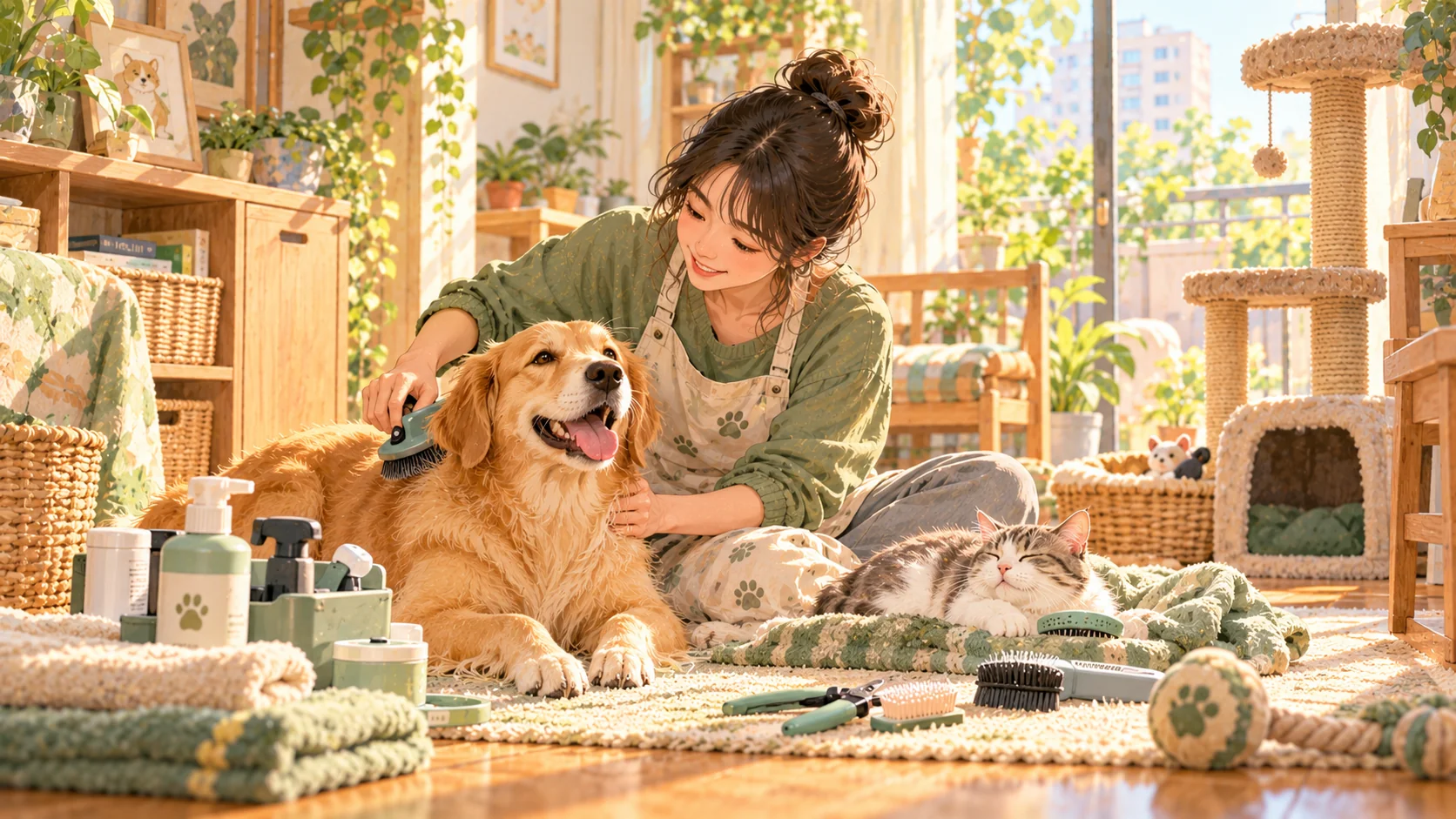
A gentle grooming routine for dogs and cats covering brushing, bathing, nail trimming, ears, paws, stress signals and when professional care is safer.
Read the Full Guide →
Compare in-home sitting with boarding, ask about safety and emergencies, prepare care sheets and arrange a thoughtful handoff.
Read the Full Guide →